online + in-person 10-hour Professional Development Course
Floor-Based Training for SCI & Neuro Clients:
Exercise Selection & Programming for In-Clinic & Home Exercise Programs
Moving beyond equipment.
Learn a clear framework developing mobility, strength, stability, coordination, and movement confidence in individuals with spinal cord injury and other neurological conditions. Build practical skills for selecting, modifying, progressing, and sequencing floor-based exercises for in-clinic sessions and individualized home exercise programs.




Individuals with spinal cord injury and other neurological conditions may have limited opportunities to move their bodies without specialized equipment.
But the floor offers something different.
It creates an environment where individuals can explore movement in multiple positions, practice transitions, develop strength and stability, and build confidence with less reliance on specialized equipment — meaning they can even work through this programming at home.
This workshop explores movement foundations and essential skills, empowering neuro client/patients to move on their own.
✔️ Bed mobility and transitions
✔️ Upper-extremity and shoulder strength
✔️ Postural strength and stability
✔️ Hip mobility
✔️ Standing balance and gait progression
✔️ Activities of daily living
✔️ Physical fitness and wellness
✔️ Greater independence and movement confidence
This course gives you a framework for putting those opportunities into practice.
ABOUT THIS COURSE
-
Individuals with spinal cord injury and other neurological conditions may have limited opportunities to move their bodies without specialized equipment. The floor, or a high mat table when appropriate, provides a unique environment for developing mobility, strength, stability, coordination, and movement confidence—skills that can support activities of daily living, gait, physical fitness, and overall wellness.
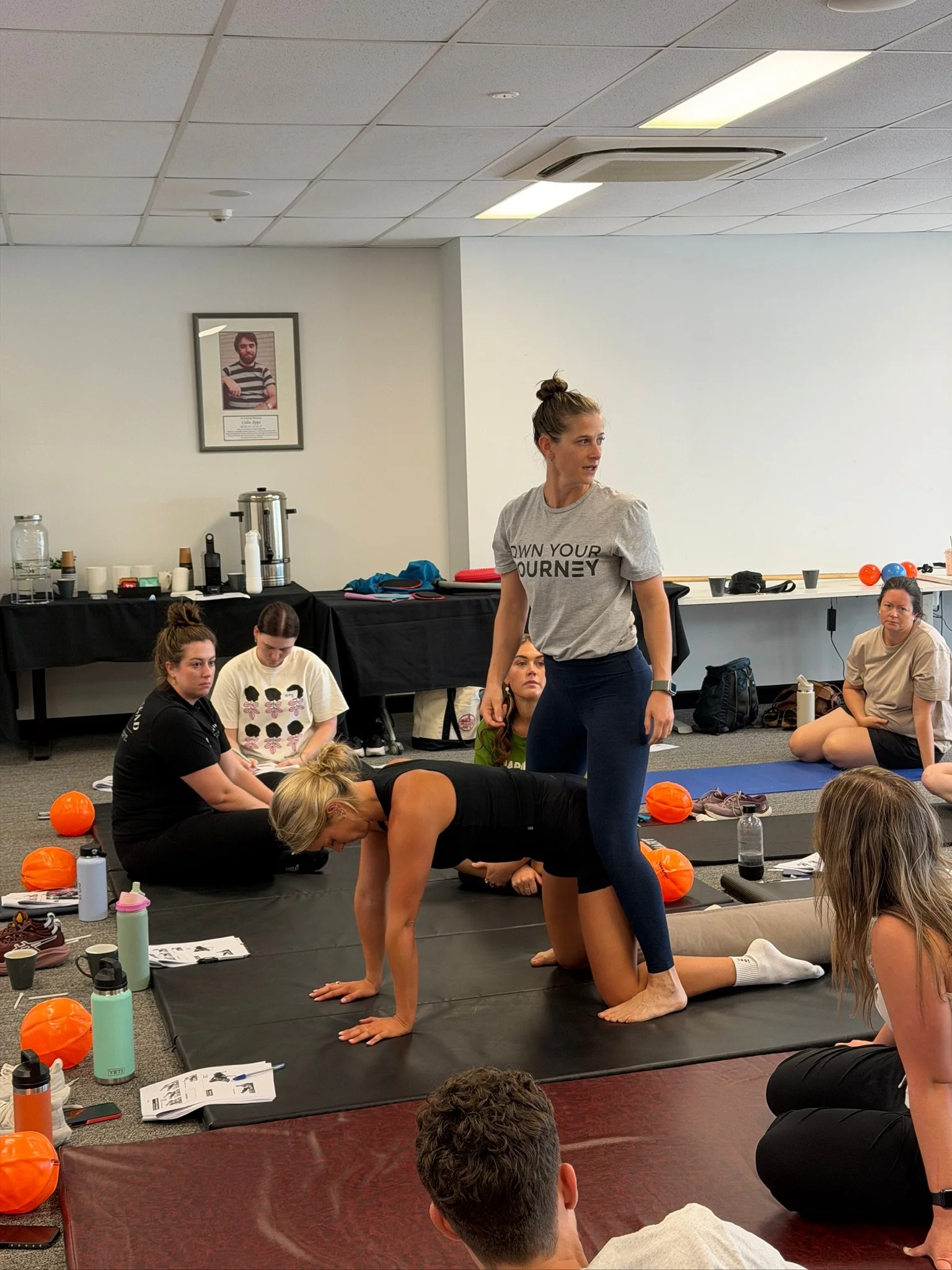
Inspired by Pilates and foundational movement patterns, this course explores a variety of mat-based exercises, mobility drills, transitions, and movement sequences adapted specifically for individuals with SCI and other neurological conditions. Participants will learn how these exercises can be introduced in the clinic and translated into practical home exercise programs for independent practice.
Exercises are organized within a practical framework for logical progression, allowing clinicians to select appropriately challenging activities while keeping exercises accessible to the individual’s current abilities. Within this framework, participants will learn to select exercise variations and modify or progress movements based on movement performance and response.
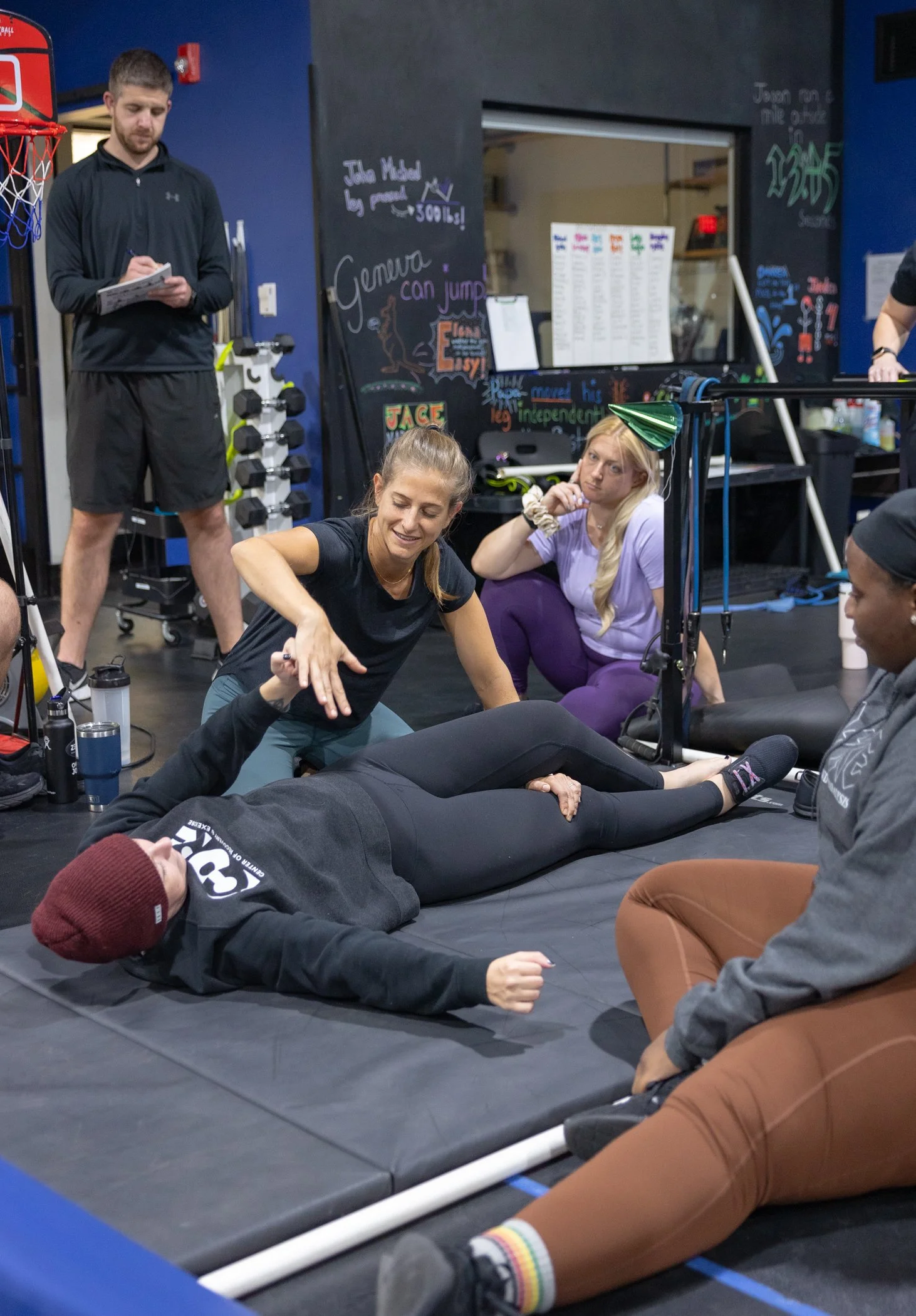
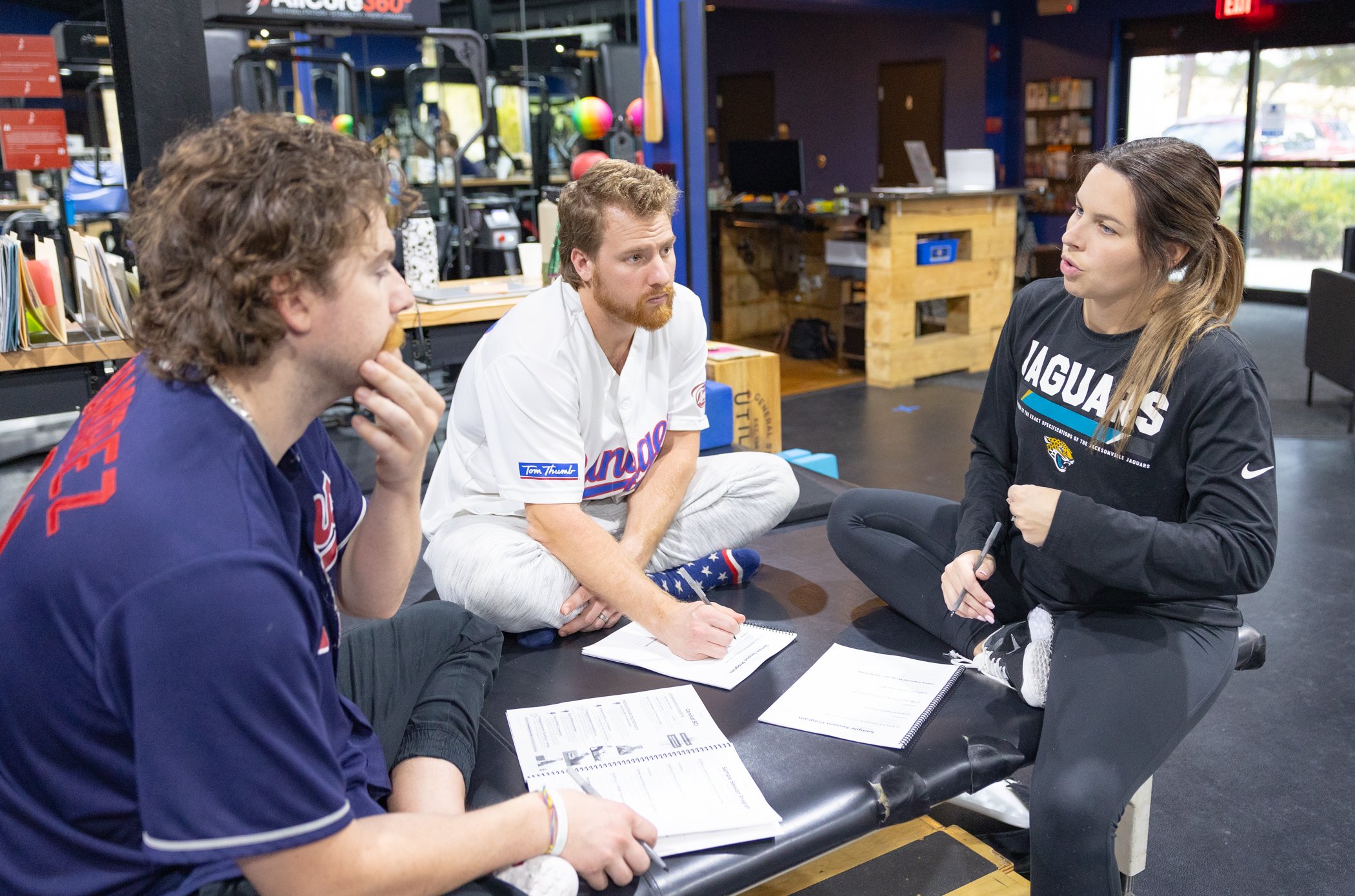
Clinicians will practice spotting and physical support techniques that encourage individuals to participate actively in their own movement. Through movement observation, participants will learn to identify areas of movement challenges and use this information to inform subsequent exercise selection, modification, and part-to-whole teaching strategies.
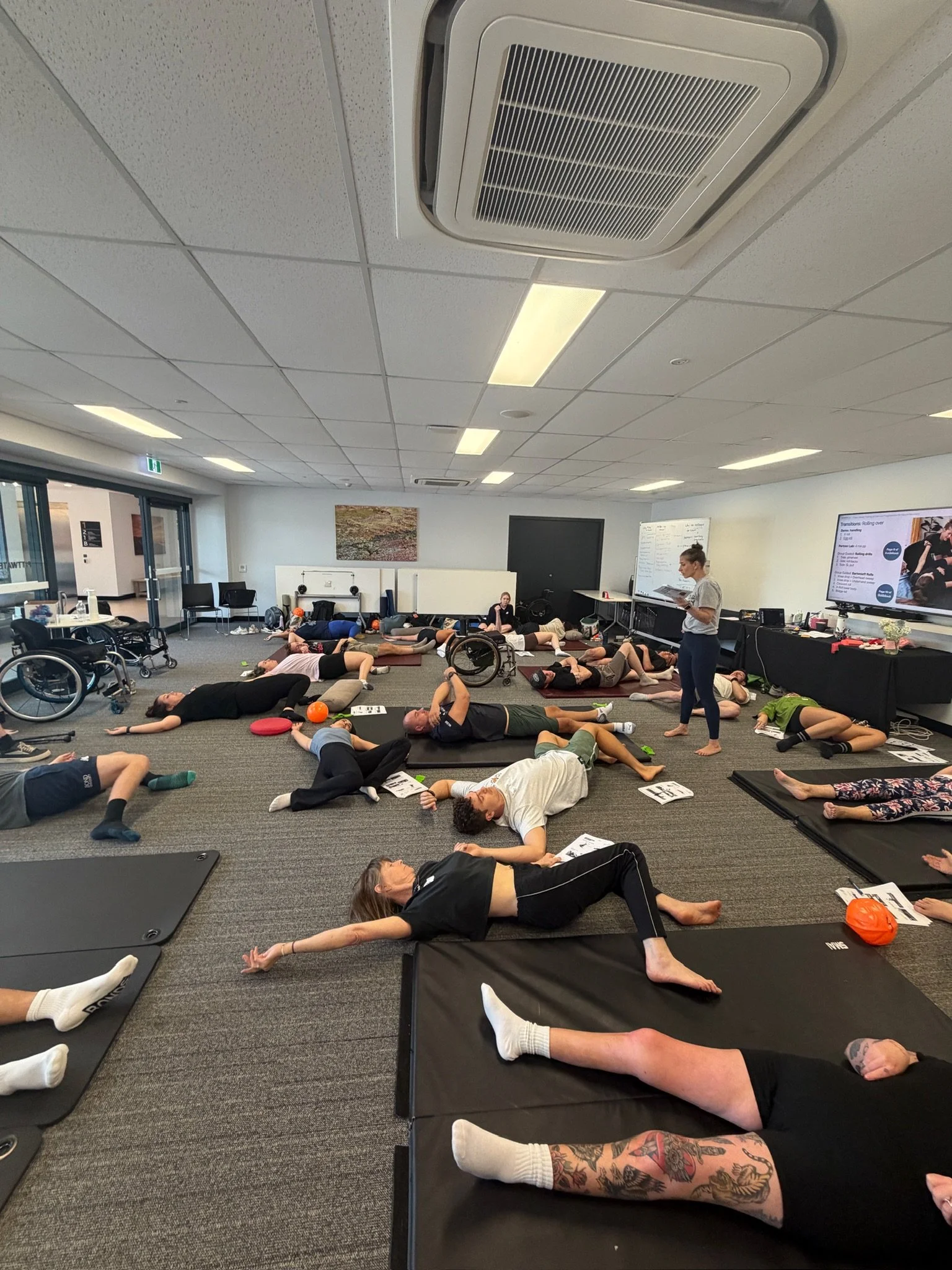
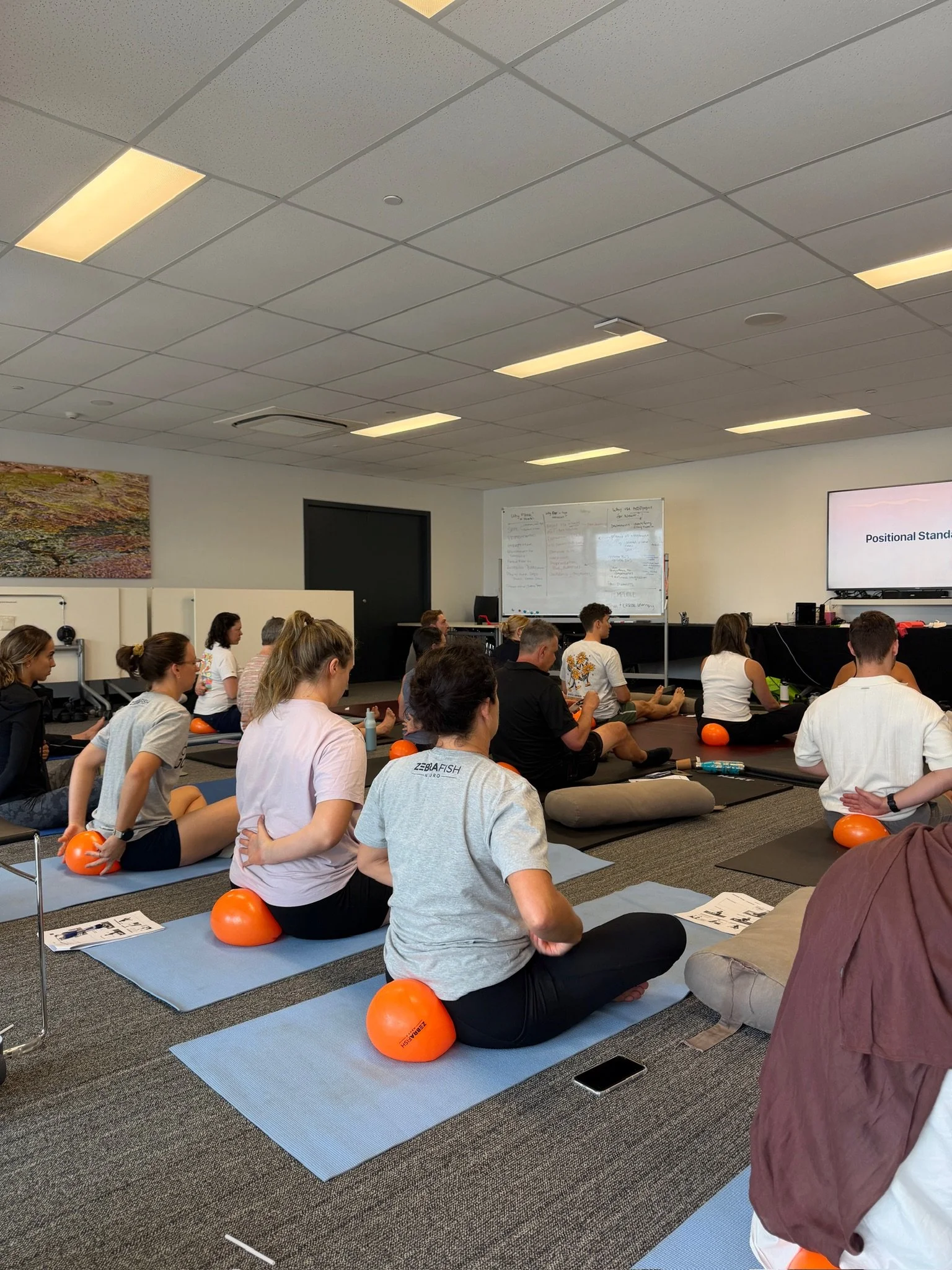
The online modules introduce foundational Pilates principles and the floor-based exercise progression framework, while the in-person portion emphasizes interactive and practical application. Participants will experience the exercises themselves before applying the concepts in partner and small-group practice with demonstration neuro clients. This allows participants to observe how exercises can be selected, modified, and progressed in real time.
By the end of the course, clinicians will have greater confidence in exercise selection, exercise execution, spotting and physical support, and organizing exercises into efficient pairings and sequences for in-clinic implementation and home exercise programming.
-
Physical Therapists and Physical Therapy Assistants
Occupational Therapists
Exercise Physiologists
Activity-Based Therapy professionals
Pilates teachers
Yoga teachers
Strength and Conditioning Specialists
Caretakers/partners of SCI
Working in practice settings:
Out-patient rehab
In-patient rehab
Acute care
Activity-based therapy
Home therapy services
This course content is not intended for use by any participants outside the scope of their license or regulation.
Instruction Level: Basic -Intermediate
This course assumes 1-2 years of experience in working with spinal cord injury clients/patients. If you are new to this demographic, please complete the online Groundwork workshop to familiarize yourself with SCI before attending this course.
-
At the conclusion of this program, the learner will be able to:
Select and implement appropriate mat-based exercises, mobility drills, transitions, and movement sequences for individuals with SCI and other neurological conditions.
Analyze movement performance during floor-based exercises to identify opportunities for exercise modification, progression, and part-to-whole teaching.
Organize floor-based exercises into efficient pairings and sequences for in-clinic implementation and individualized home exercise programming.
Program floor-based exercises to support functional activities of daily living, including bed mobility, dressing, playing with kids/pets on the floor, etc.
Program floor-based exercises and foundational movement sequences to support progression toward more advanced positions and movements, including standing balance and gait.
Demonstrate effective spotting and physical support techniques that encourage active participation during floor-based exercises and transitions.
Provide opportunities for individuals to explore and practice movement with reduced reliance on specialized equipment or maximal physical assistance.
-
Online module (3 hours, online asynchronous hosted on Teachable) reviews movement foundations and principles essential for floor-based programming, an introduction. to Pilates Mat concepts and overview of Floor-Based Programming componetns.
A Knowledge Check/Quiz confirms completion & and understanding before participation in the in-person labs.
Live, in-person (7 hours)
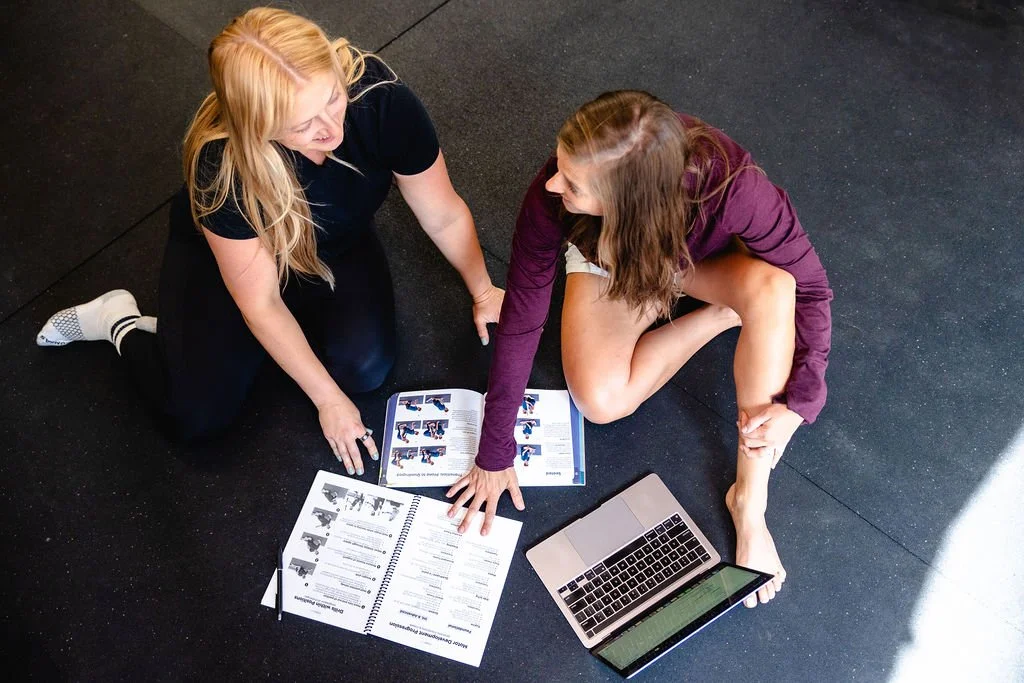
30 page printed guidebook with diagrams, photos and prompts for clinical reasoning and reflection.
Powerpoint visuals with client case examples.
Demonstrations on participants and client models.
Learning through movement experiences.
Partner labs.
Hands-on practical application labs with real neuro clients (2 hours).
Case discussion and presentation of observations & interventions from participants.
-
This course is highly interactive - and ACTIVE - experience.
Real understanding, competence and confidence comes from full in-person immersion. Come ready for a lot of movement, partner labs, and hands-on practice.
SMALL LABS w/ REAL NEURO CLIENTS:
3 hours of hands on lab practice with real demo clients provides opportunity for real-time troubleshooting, observation of the quick outcomes from optimal cueing and builds confidence for execution after the course.
HIGH TOUCH GUIDANCE:
Due to the extensive hands-on learning components of this course, we maintain a strict student-to-faculty ratio of 16:1 to provide a high-touch learning experience and comply with many state APTA standards. A Course/Lab Assistant is added to the course for 16+ participants.
DIVERSE LEARNING STYLES:
I strive to deliver the curriculum for a variety of learning styles:
Kinesthetic (feeling)
Auditory (discussion)
Visual (PowerPoint & client demonstrations)
Experiential (hands on practice)
Theory/Intellectual (printed Guidebook)
THE PRINTED GUIDEBOOK:
A 30-page printed and bound Guidebook hosts the concepts, theory, and exercises with plenty of space for clinical reasoning notes, application to YOUR clients and reflection prompts to establish deeper integration of the material.
CONTINUED SUPPORT & COMMUNITY:
All course participants are invited to stay connected through the Professional Community social network - a place to ask questions and share client case success.
Participants can also join Office House events, scheduled quarterly, to discuss client cases and gain insights from other professionals in the ZN Network. View the reply of one of our events here.
-
…how Learning Outcomes are measured and course completion is evaluated.
Earning all CEU’s/Contact Hours require the following:
ONLINE LEARNING MODULE:
The 3-hour online module (asynchronous) must be completed prior to the in-person course.
A 10 question Knowledge Check quiz must be completed with a 100% passing score before participation of the in-person learning.
LIVE ATTENDANCE:
Course participants must be present for all in-person presentation & lab (full day, 7 hours). There is no partial credit available for this course.
COURSE COMPLETION:
Full participation in the Hands On Lab is required. Lab groups will present case findings, interventions and clinical reasoning for programming to the entire group as the final “Course Completion” check.
CERTIFICATE OF COMPLETION:
Upon completion of group presentations, participants certificates are signed by the course presenter. The certificate in the back of the Course Guidebook is not valid unless signed by the presenter in their signature color.
COURSE & PRESENTER EVALUATION:
All participants are asked to provide evaluation and feedback using the form (see included in syllabus). Evaluations are reviewed by the presenter for future curriculum development. Participants can also request additional resources to support their learning in this form.
CONTINUEING EDUCATION
for neuro rehab professionals
This Course offers
10
CONTACT HOURS FOR CONTINUING EDUCATION
Applications for CE Approval have been submitted and are waiting for notice. This information should be updated by August 30. 2026.
-
Application is submitted and waiting for approval.
States that honor reciprocity*
GEORGIA
OREGON
OHIO
NORTH CAROLINA
NORTH DAKOTA
… your state?
Check your state’s reciprocity: Google search “[your state] physical therapy association CE provider course approval”. See syllabus above to submit for credits.
*Please check with your state board on reciprocity details before enrolling.
-
Please check with your state board on reciprocity with APTA approved courses before enrolling.
-
Not yet approved.
Learn more here: https://nationalpilatescertificationprogram.org
-
Submit the provided course syllabus to petition for CECs directly with your accreditation board. This is quite an easy process with the right paperwork! I’m happy to assist.
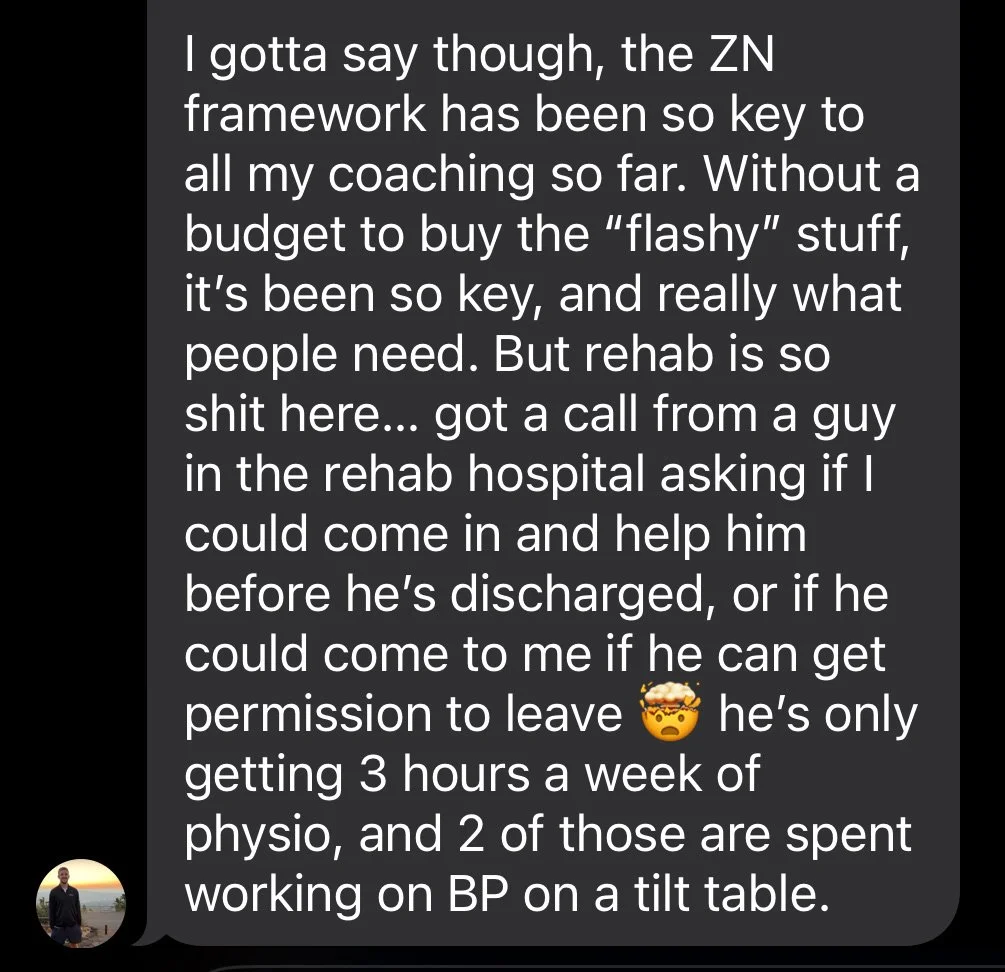
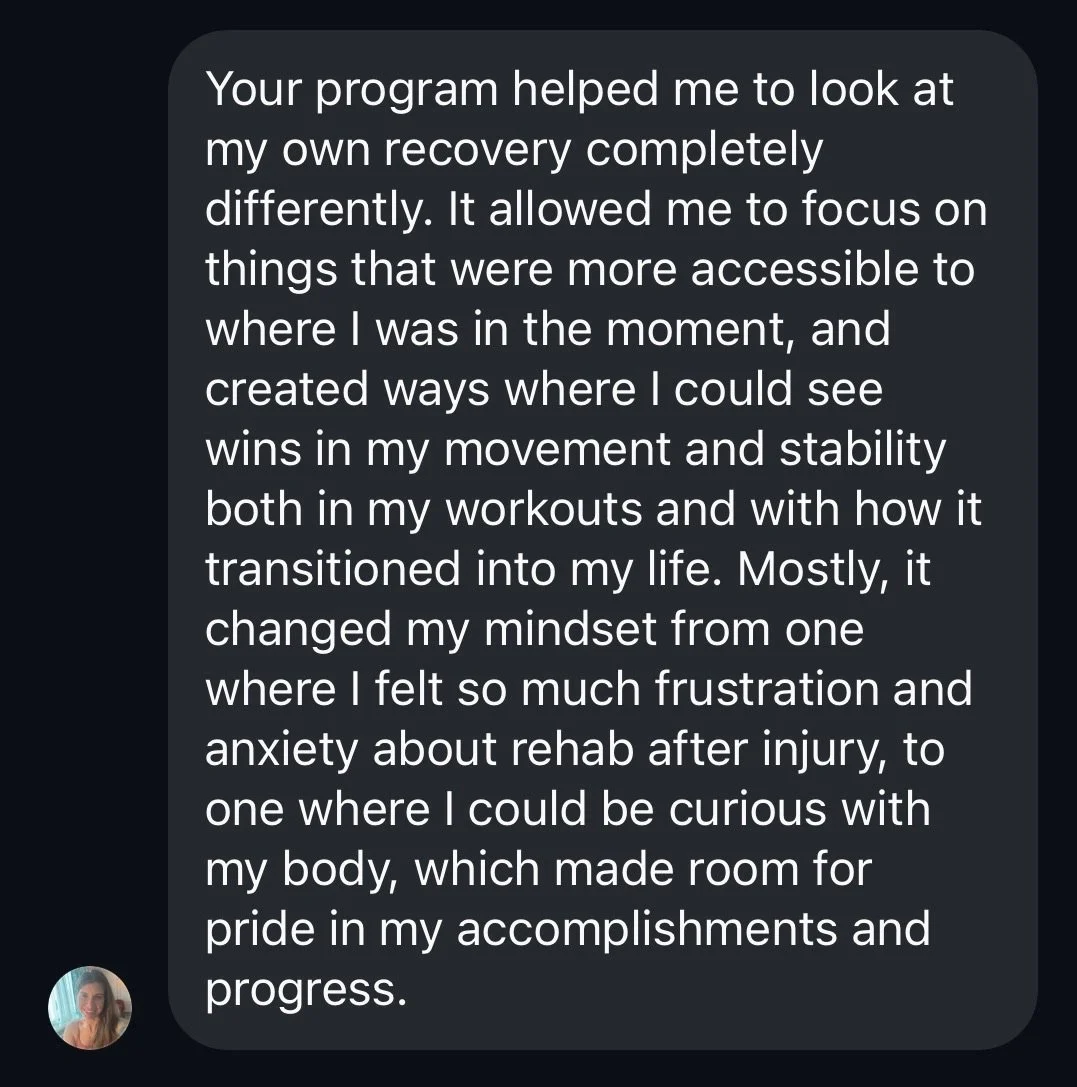
What course grads are saying about
Zebrafish Neuro Professional Development:
About the instructor
Stephanie Comella has been working with spinal cord injury and neurological populations since 2011, beginning her career in an activity-based therapy clinic before discovering the powerful carryover of Pilates equipment in neuro rehabilitation.
She pursued formal Pilates training through Balanced Body in 2015 and earned her comprehensive certification with NCPT (the official certifying body in Pilates) in 2016, completing advanced study across all major apparatus, including the Reformer, Trapeze Table/Tower, Chair, Barrels, and Mat.
Stephanie went on to develop a Pilates-based neuro pilot program within a boutique studio setting, where she refined her approach to adapting classical Pilates for individuals with neurological conditions. Her work bridges the gap between traditional Pilates instruction and the complex needs of neuro rehab, emphasizing accessibility, adaptability, and clinical application.
She later self-published From the Ground Up, a 300-page resource outlining her neuro recovery Framework with an extensive library of adapted Pilates exercises designed for real-world implementation (download a sample here).
Her work has also been featured in a collaborative case report publication exploring the use of Pilates-based programming to support gait recovery in an L1–L3 spinal cord injury, contributing to the growing evidence supporting Pilates in neurological rehabilitation.
Today, Stephanie uses Pilates equipment as a primary tool to facilitate movement through kinesthetic learning with her neuro clients — helping individuals develop dynamic stabilization, reflexive control, and integrated mobility.
Stephanie has taught physical therapists, occupational therapists and other neuro rehab professionals how to integrate pilates principles and safely use pilates equipment into their clinical practice all over the world since 2023.
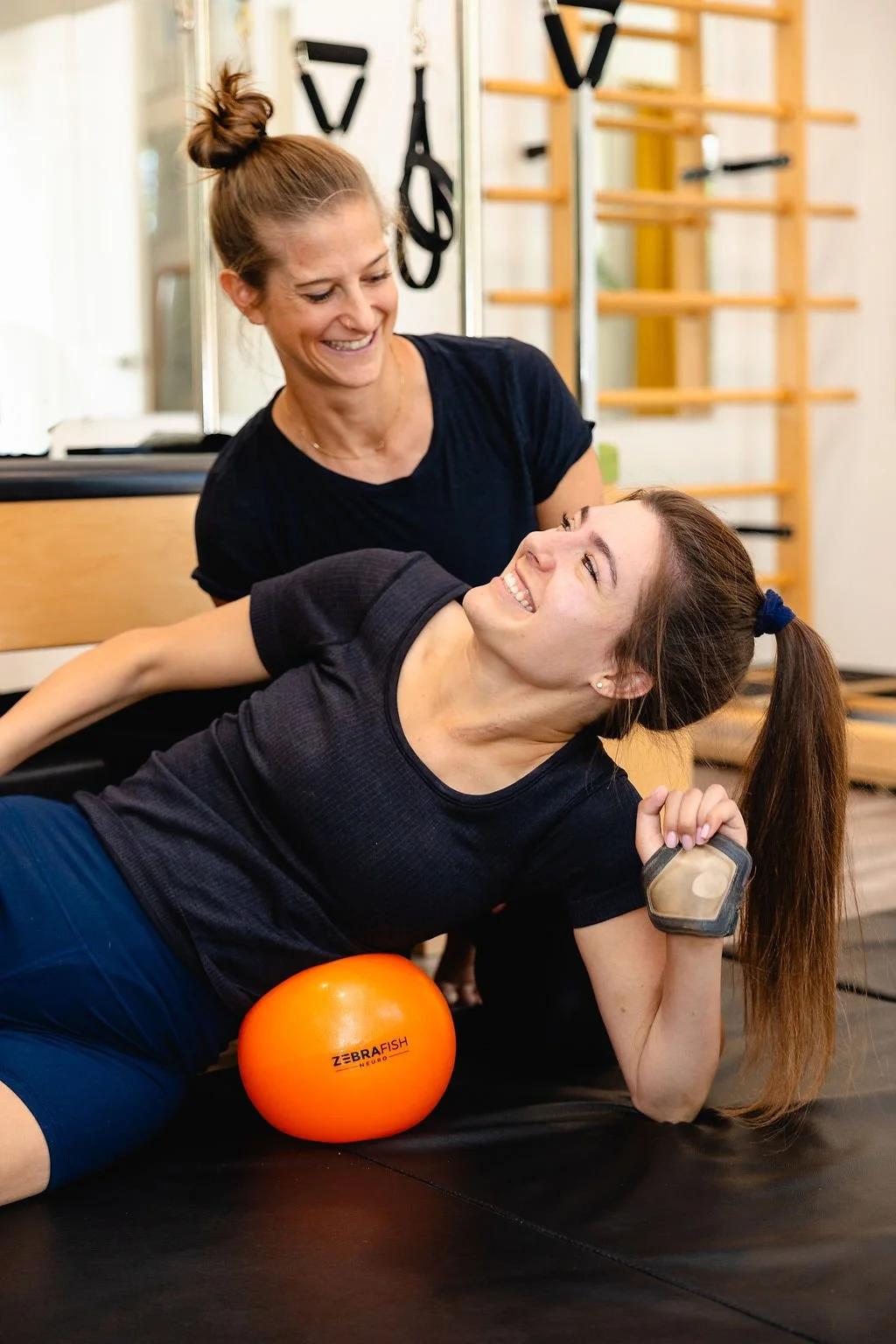
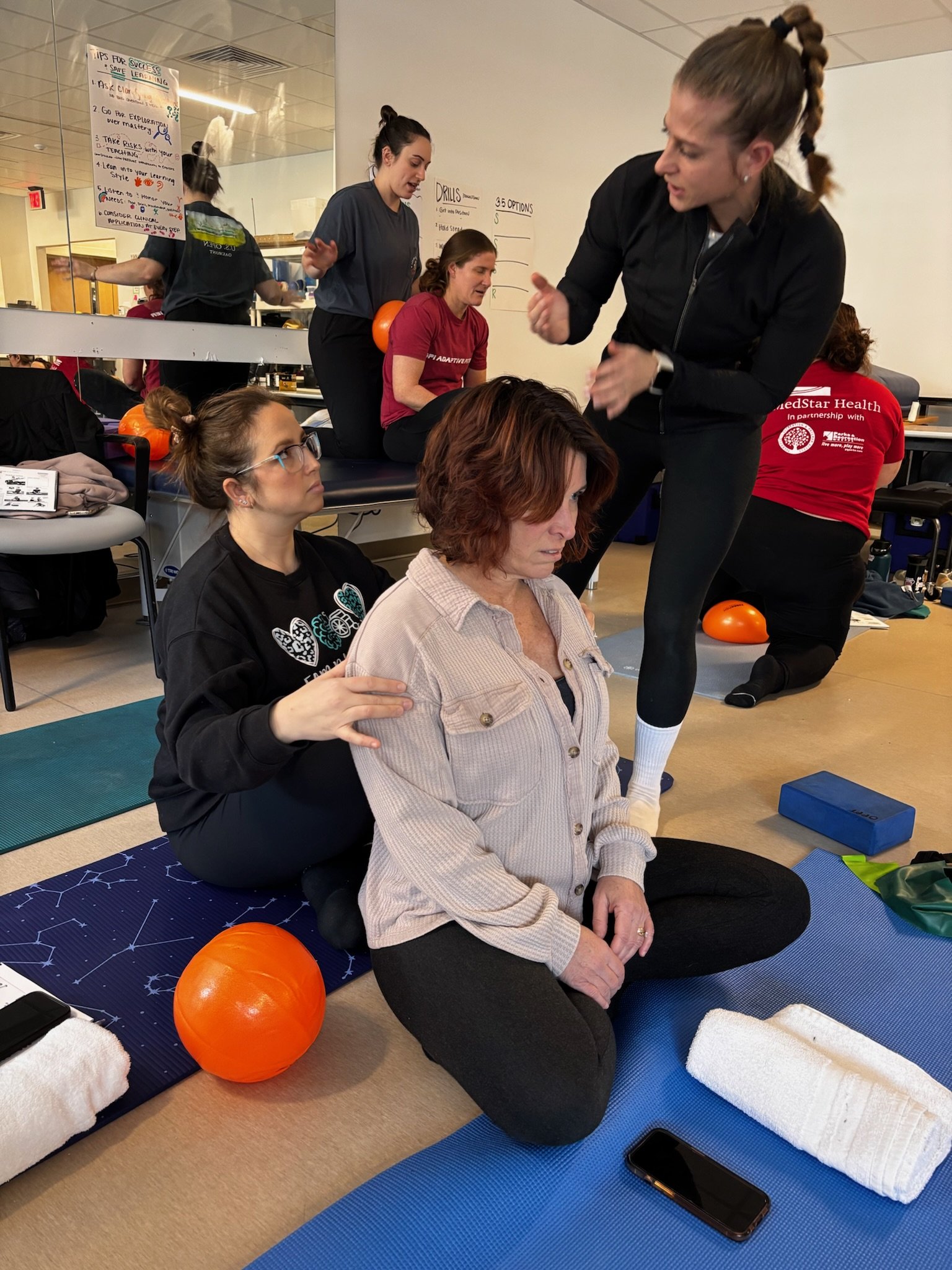
Your course may also have a Course/Lab Assistant!
Due to the extensive hands-on learning components of this course, we maintain a strict student-to-faculty ratio of 16:1 to provide a high-touch learning experience and comply with many state APTA standards.
A Course/Lab Assistant is added to the course for 16+ participants.
FAQs
about the Floor-Based Training Workshop
-
This workshops offers 10 Contact Hours of ConEd. As of July 2026, I have submitted CE Approval Applications and waiting to hear notice of approval.
HOW TO GET CE CREDITS through individual application: Google search “[State] physical/occupational therapy course approval” and you’ll probably be taken right to the application site. Take the syllabus (found here) and apply for credits directly through your state board. It’s usually free to submit (or a very small fee) + a simple form to fill out.
For ACSM, NASM, ACE, ESSA, NPCP etc.:
Submit the provided course syllabus to petition for CECs directly with your accreditation board. This is quite an easy process with the right paperwork! I’m happy to assist.
-
These modules are not created as a “part 1” and “part 2” - they are the same course and created to be consumed as one learning experience.
You must complete both the online curriculum and in-person labs to receive a certificate of completion and the 10 continuing education credits.
-
Due to the hands-on, interactive nature of this curricuum, attending in-person for the Practical Application/Labs is imperative. There is no online/remote learning option for this part of the curriculum.
And let’s be real - the only way to really build confidence in your skills, especially with neuro clients/patients, is through hands-on learning… Don’t shortchange your education - your clients deserve the best!
-
We encourage you to transfer your registration to a colleague if you cannot make it.
If you are unable to transfer your registration, cancellations will result in a refund minus a 20% administration fee. We are unable to credit your registration to a future course.
Thank you in advance for understanding.
-
Yes, please! We will need “model” bodies to work with, and what better way to learn than on your own clients.
Have your client/patient learn more about this experience + submit an application here.
-
If you work or are interested in working with neuro and SCI patients, this course is for you.
I have had all types of allied health professionals attend this course and get so much out of it - both from the curriculum and from collaborating with all the other attending professionals:
Acute care Physical Therapist or Occupational Therapist
In-patient Physical Therapist or Occupational Therapist
Recreational Therapist / adaptive rec
Massage therapist
Yoga teacher
Personal Trainer
Neuro exercise specialist
I love having multiple disciplines in the course so we can establish a common continuum of care through our client’s journey.
-
One of the best ways to support your person (and ultimately save so much $ and time in the long run!) is by thinking like a rehab professional yourself.
Yes, there is a bit of anatomy in the course, but I teach it very simply - pretty much as I would teach it to a client - so it’s easy to follow.
I’ve had caregivers attend the course and then implement the strategies with great success.
Plus, I’m always there to side-bar or review deeper if you need!
-
Yes, we can arrange private in-person courses for your team. Learn more about hosting private events here.
Pre-Requisites
CURRICULUM BREAKDOWN
Participants must have at least 6 months of working directly with spinal cord injury or neurological conditions, or complete the 8-hour online self-paced The Groundwork course to get up to speed on SCI.
Online Learning
3 hours, asynchronous
Online Course Module is hosted in an online course learning portal (Teachable). Video lectures introduce:
The role of floor-based exercise in programming for individuals with SCI and other neurological conditions; benefits and considerations.
Introduction to floor-based exercise programming: the three components.
Benefits and considerations of floor-based programming for different neuro presentations.
Preparing for floor-based programming & upper extremity loading: scapular mechanics.
Overview of exercises to be explored in the in-person module.
Identification of compensation patterns and quality movement standards.
Strategies to progress exercises using 6-step Drills Progression.
Video examples of floor-based exercise programs with individuals with SCI and other neurological conditions.
A review of options to support individuals onto and off of the floor..
A Knowledge Check Quiz will check for understanding and completion of the Online Module before participation in the in-person labs.
Preview the Online Course Portal here!
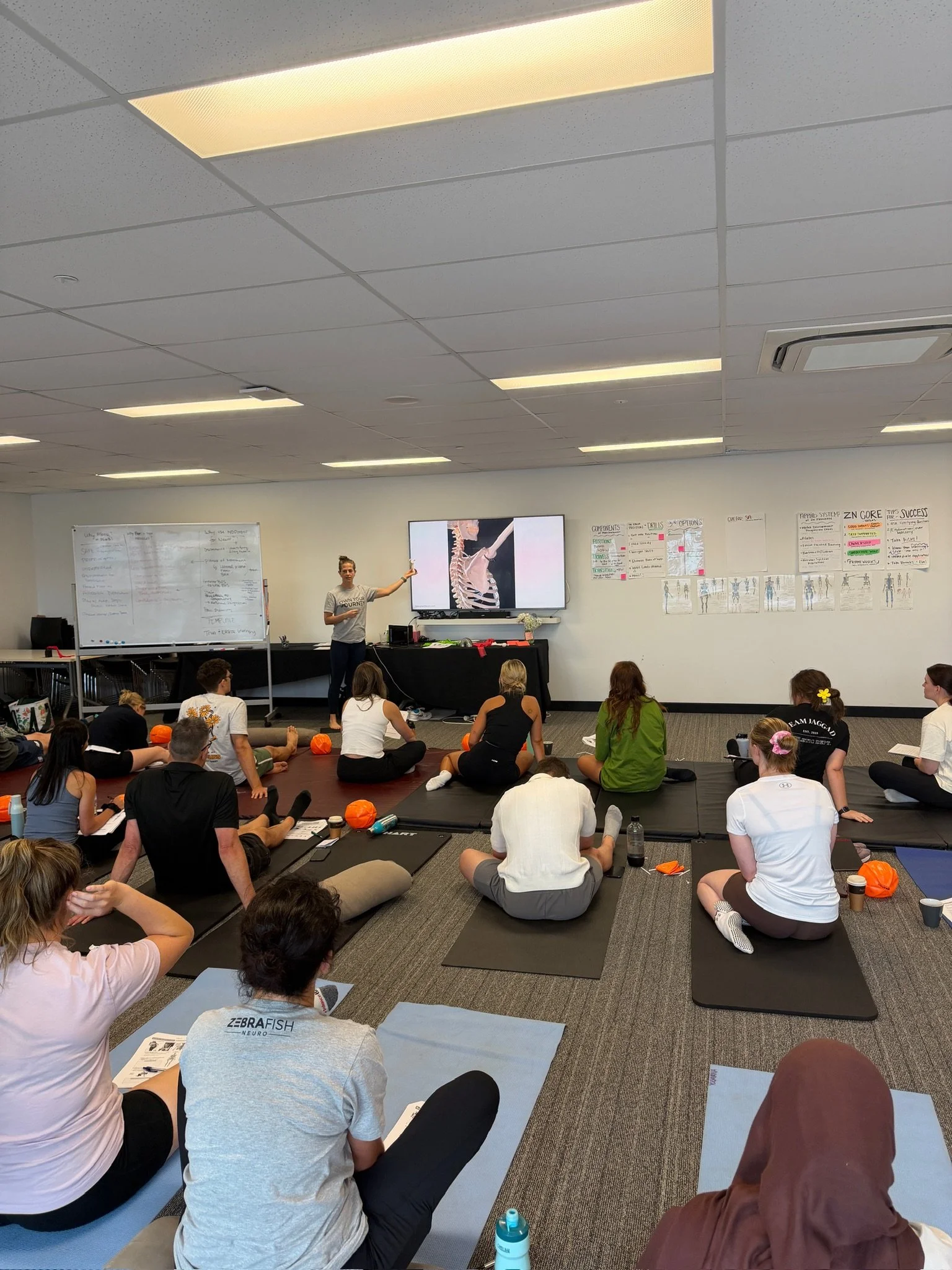
Morning Didactic & Partner Labs
3 hours
Review of floor-based exercises and programming components
Clinician experience of floor-based exercises in 30-minute group movement class
Strategies to support and spot positions and transitions into different positions.
Identification of movement breakdown and part-to-whole teaching drills.
Preparing for floor-based programming & upper extremity loading: exercises for improving scapular mechanics
Demonstration and partner practice of main exercises and with discussion of variants for individualization
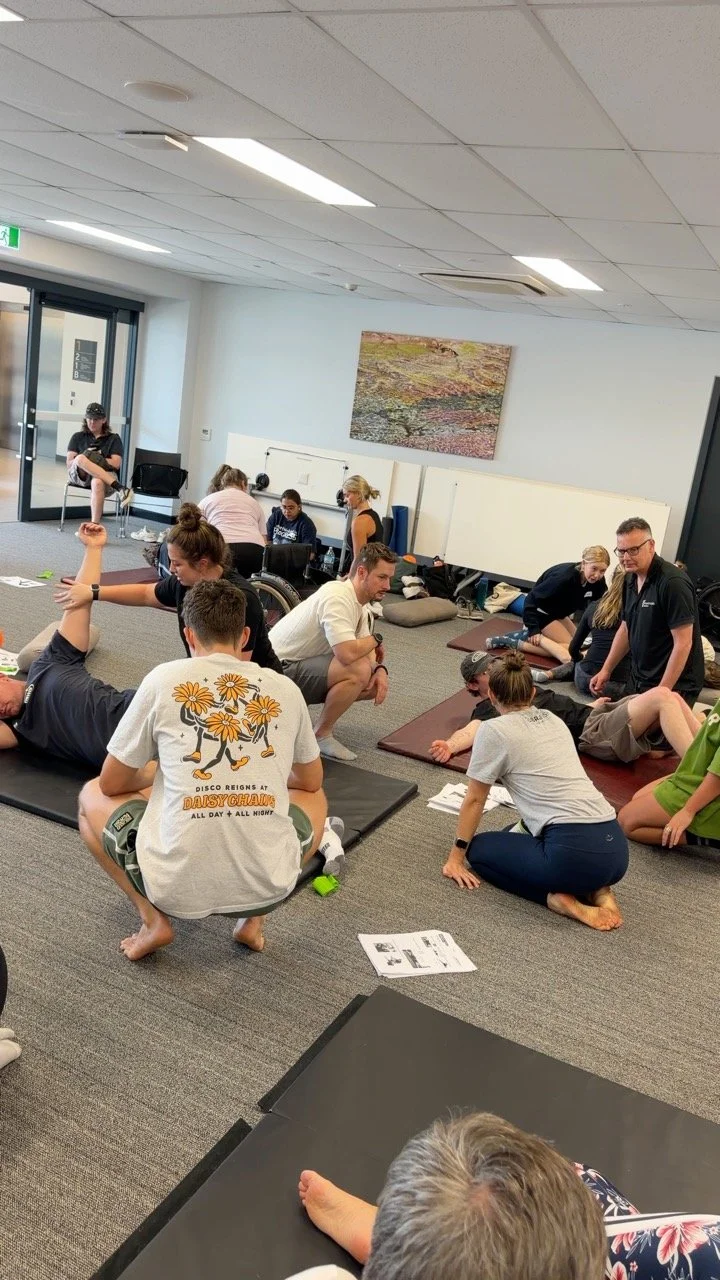
Small Group Labs with Demo Clients
2.5 hours
Application of floor-based exercise progression in small lab groups (5:1) with real neuro clients.
Identification of movement breakdown and part-to-whole teaching drills.
Practice of hands-on spotting and support techniques.
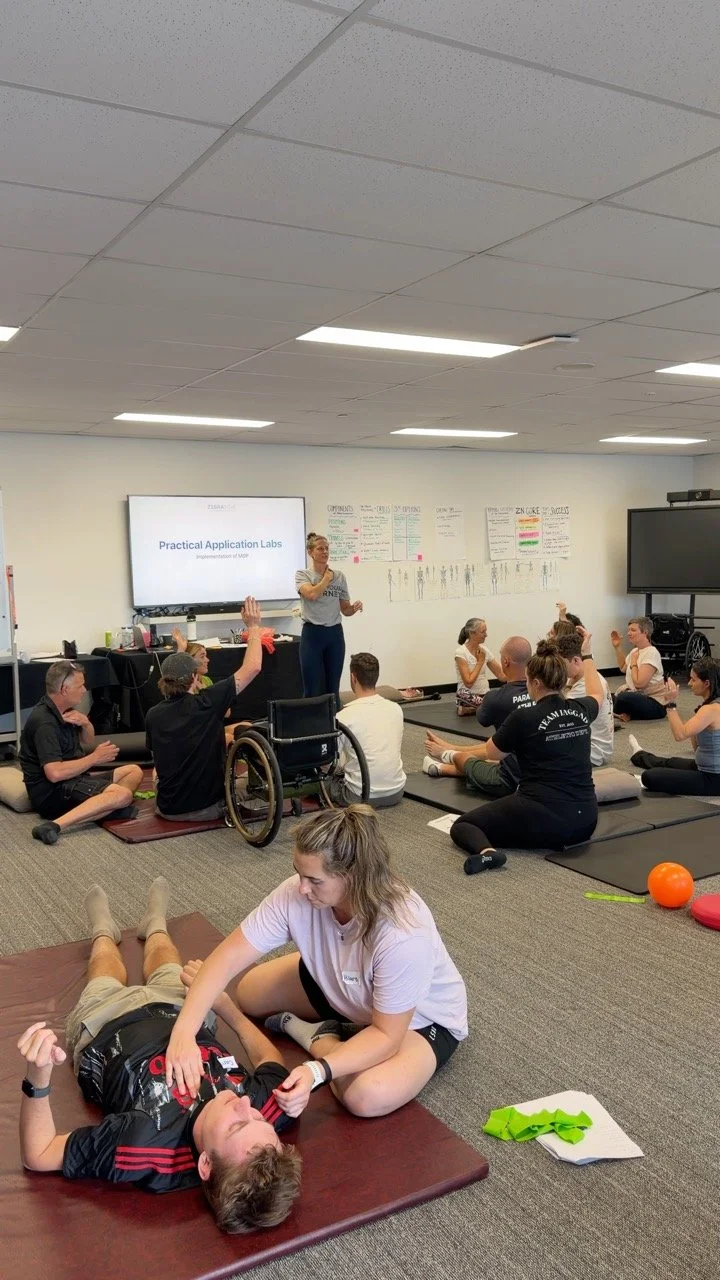
Case & Programming Presentations
1.5 hours
Small group discussions developing exercise programs for a specific client case, specifically exercise pairings/circuits for efficient implementation and HEP.
Presentations of programming ideas to the entire group.
Exploration of advanced floor-based movement flows for ambulatory clients/patients.
Conclusion and course wrap-up.
These courses and workshops have supported SCI rehab Continuing Education and Professional Development for the teams at: