Washington D.C. Course Recap
I’m still riding the excitement (and adrenaline!) of the last 3-Day Flagship Course, hosted by NRH MedStar Health in Washington D.C.
Read on for a recap of the learning that happened. ⬇️
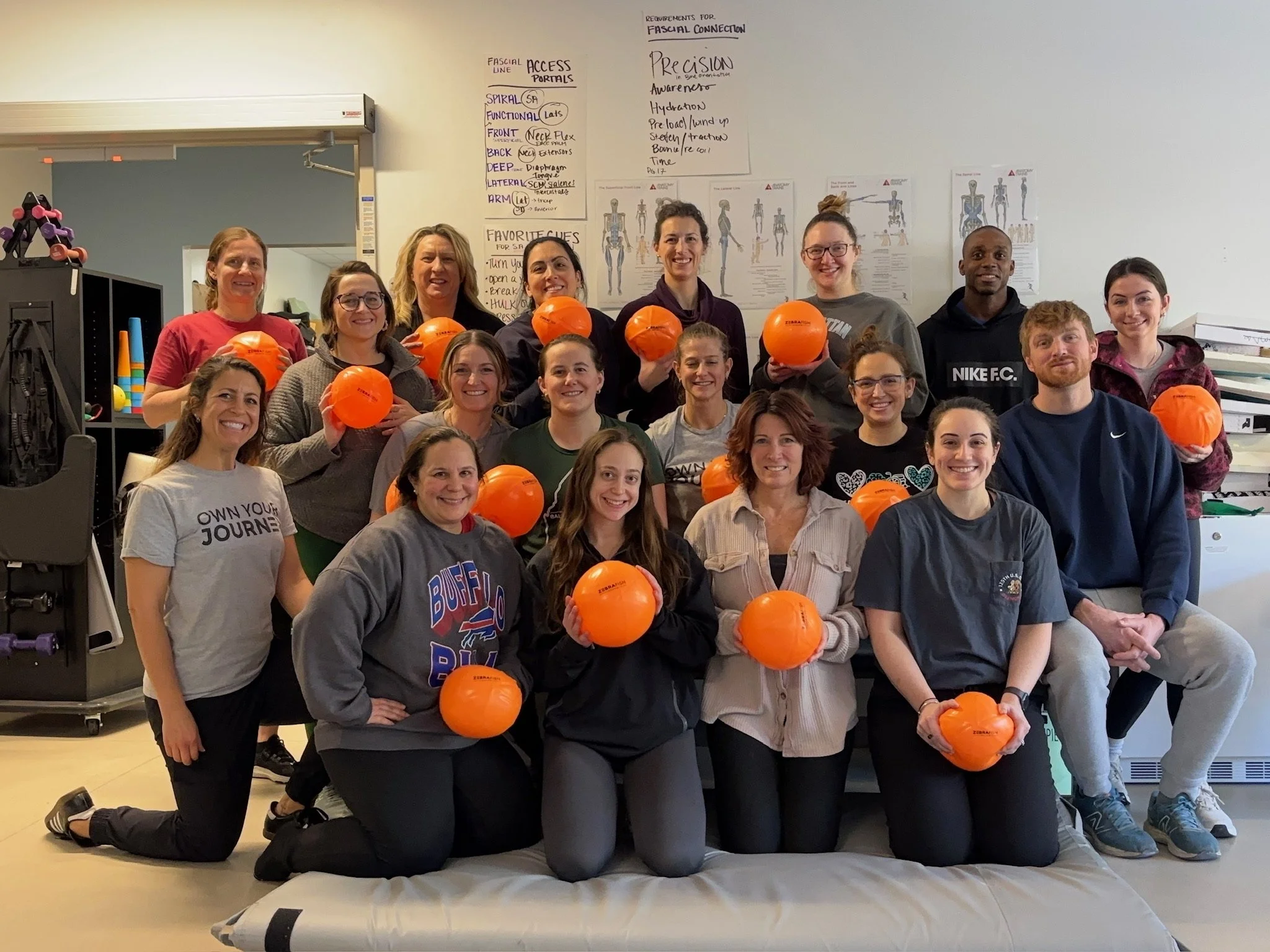
in attendance
PTs, OTs, and 1 PTA
Luckily, the course was the weekend AFTER a large winter storm, but it did make navigating the streets *interesting*. I may or may not have gotten my car stuck on the side of the road…
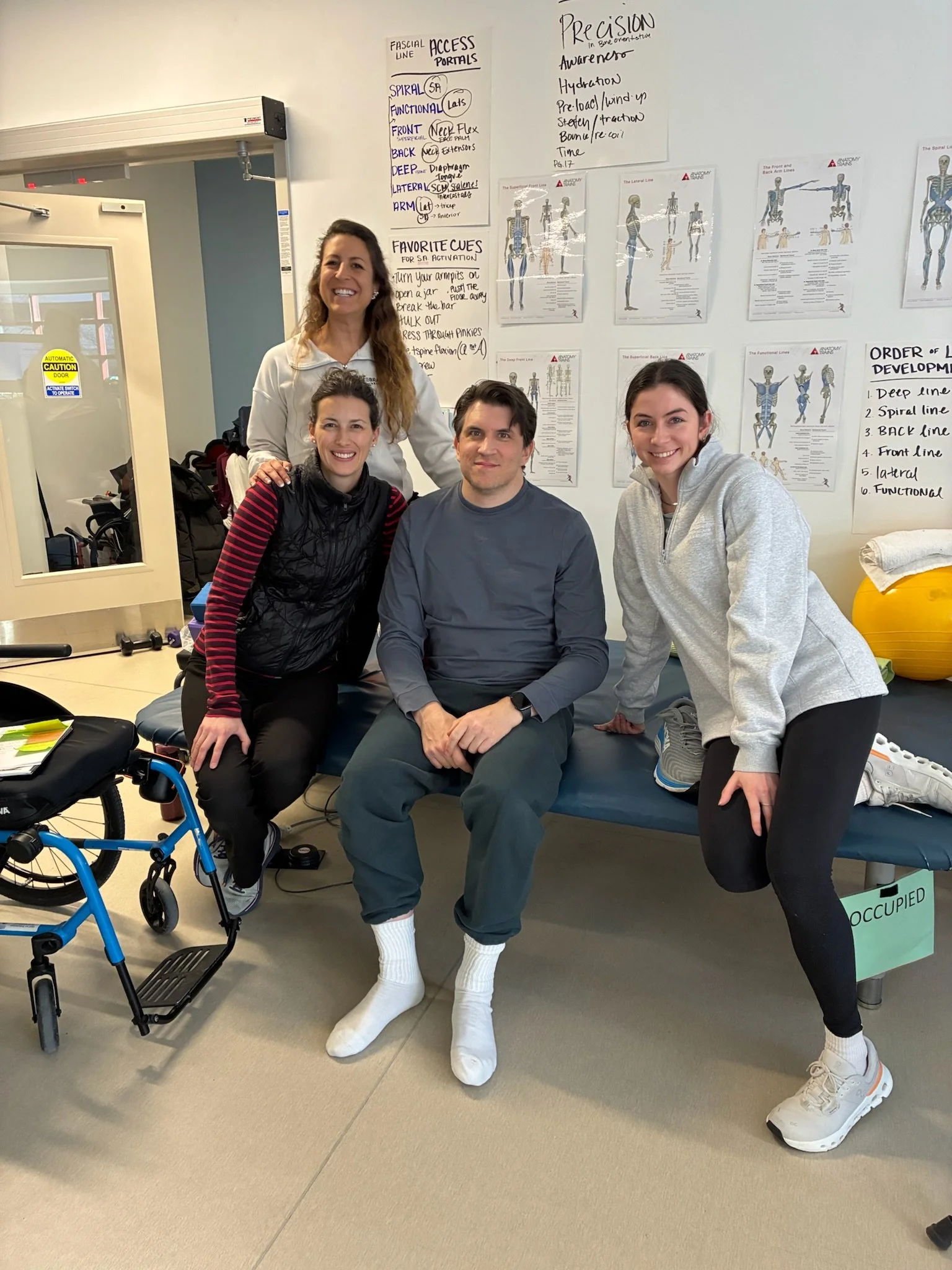
But all 16 course participants + my trusty assistant Tay Galmarini made it on location safe and sound.
Because this course was hosted at the NRH, the course roster was completely filled by physical therapists and occupational therapists (usually I get a few pilates teachers and ABT exercise specialists as well).
This group was full of incredibly smart, experienced and passionate neuro rehab professionals.
Read on to see the breakdown of each day & participant reported key take-aways. ⬇️
Day 1
Fascial Tensegrity & Motor Development Progression
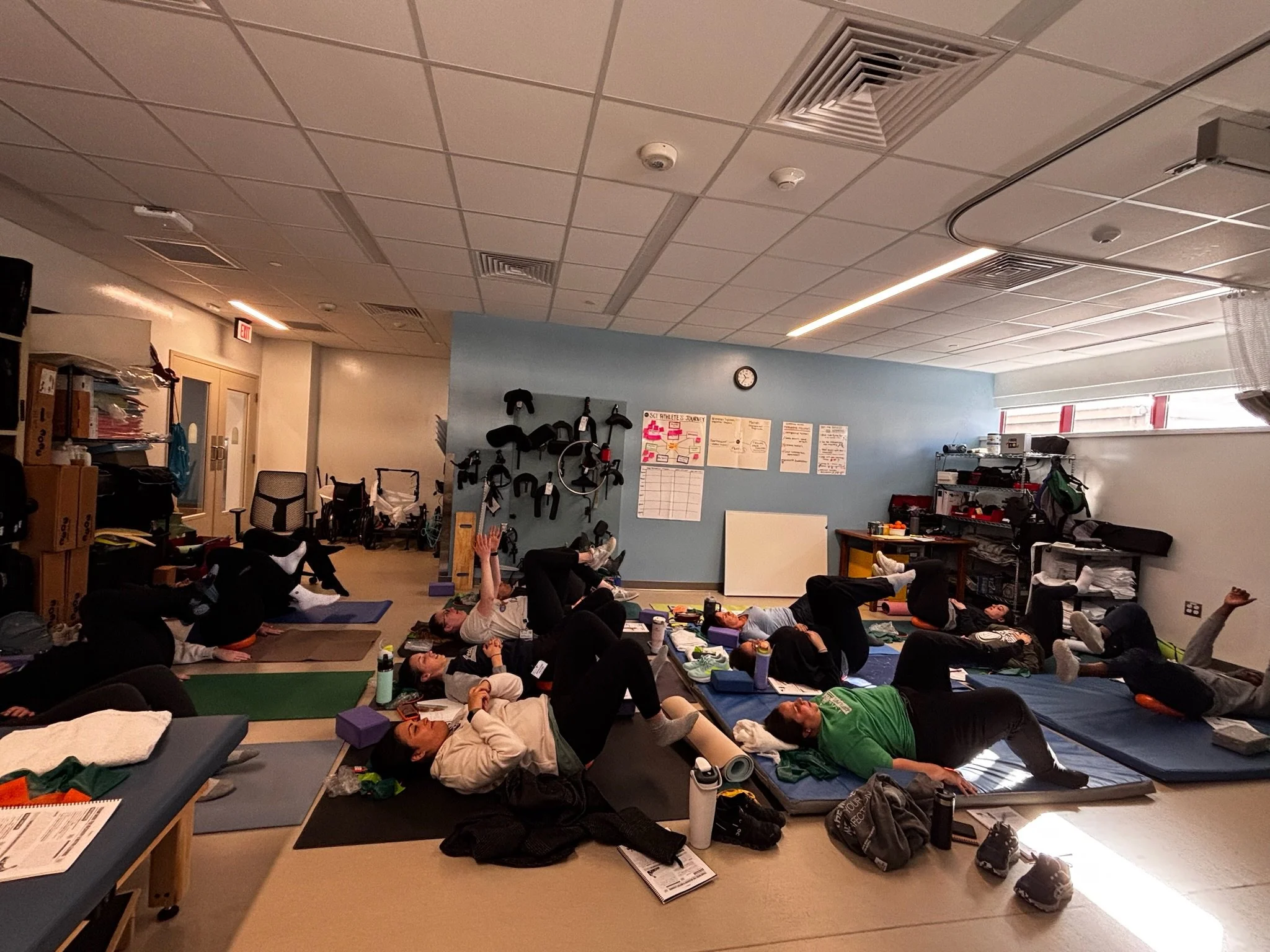
While it was cold outside, course participants warmed up quickly with lots of movement on Day 1. We covered:
ZN Framework for Recovery: the process for motor learning - and identifying intention within an exercise
Fascial health and function: important for overall health, proprioception and force distribution
Fascial lines: the connective tissue chains that support whole body movement patterns
Motor Development Progression: an overview of positions, travels & transitions, along with video examples of MDP exercises from my clients sessions.
A full MDP experience: exploring different routes for ADLs and building movement complexity from the ground up.
Pilates Principles and movement foundations: applications for the neuro population.
Day 2
Foundations in the Framework
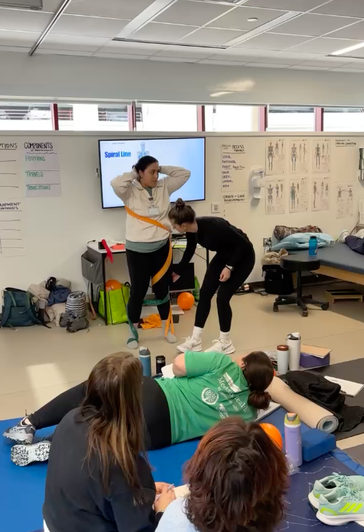
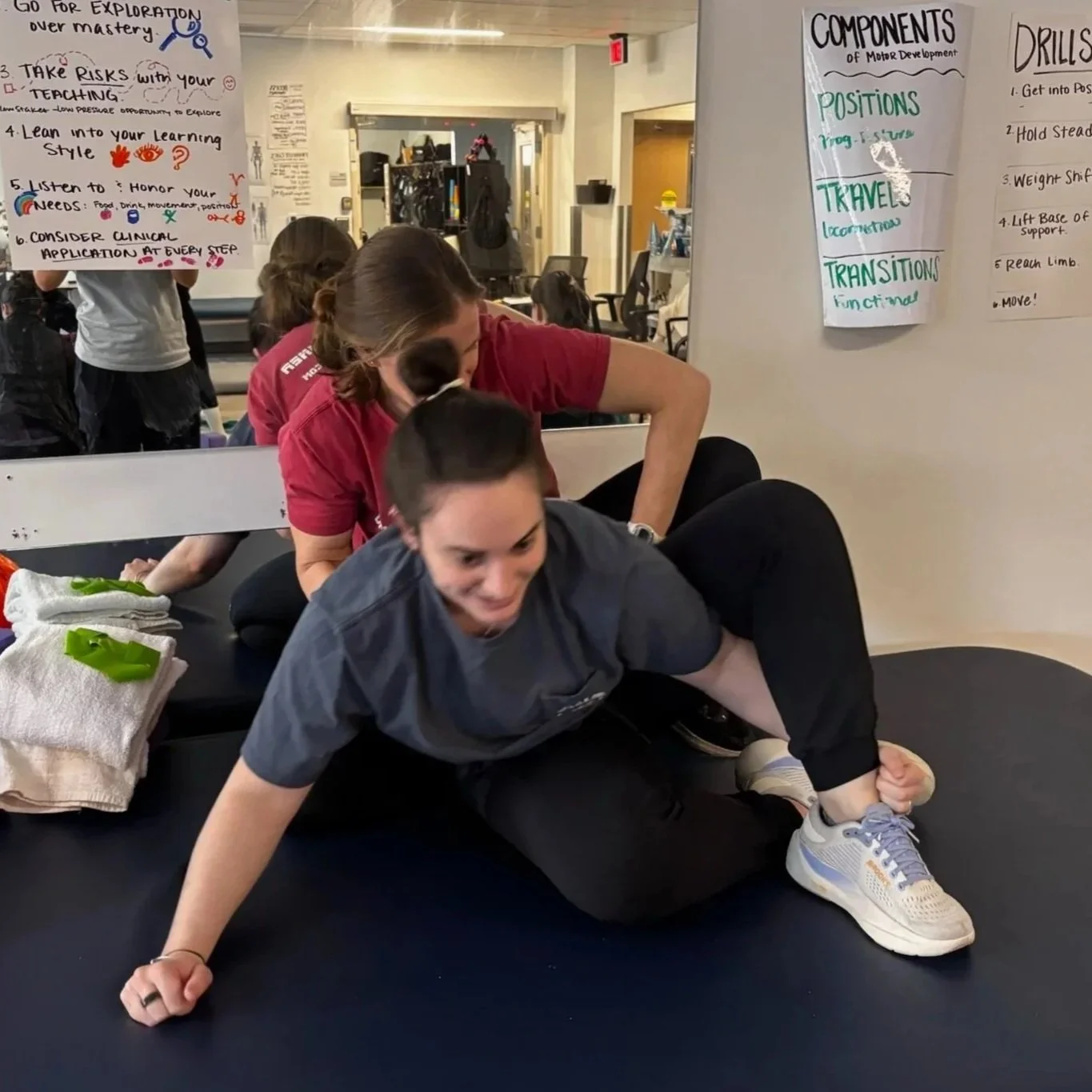
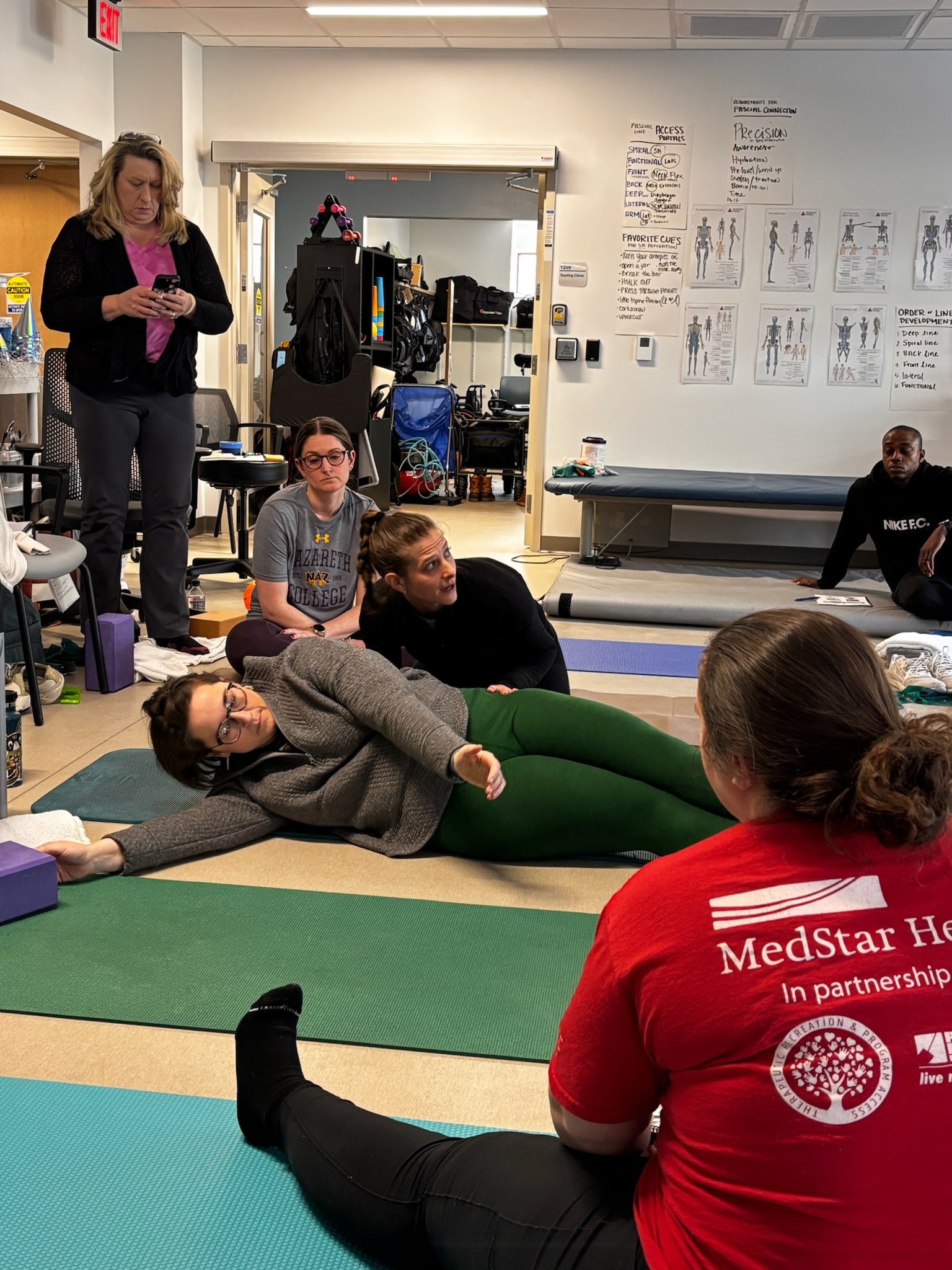
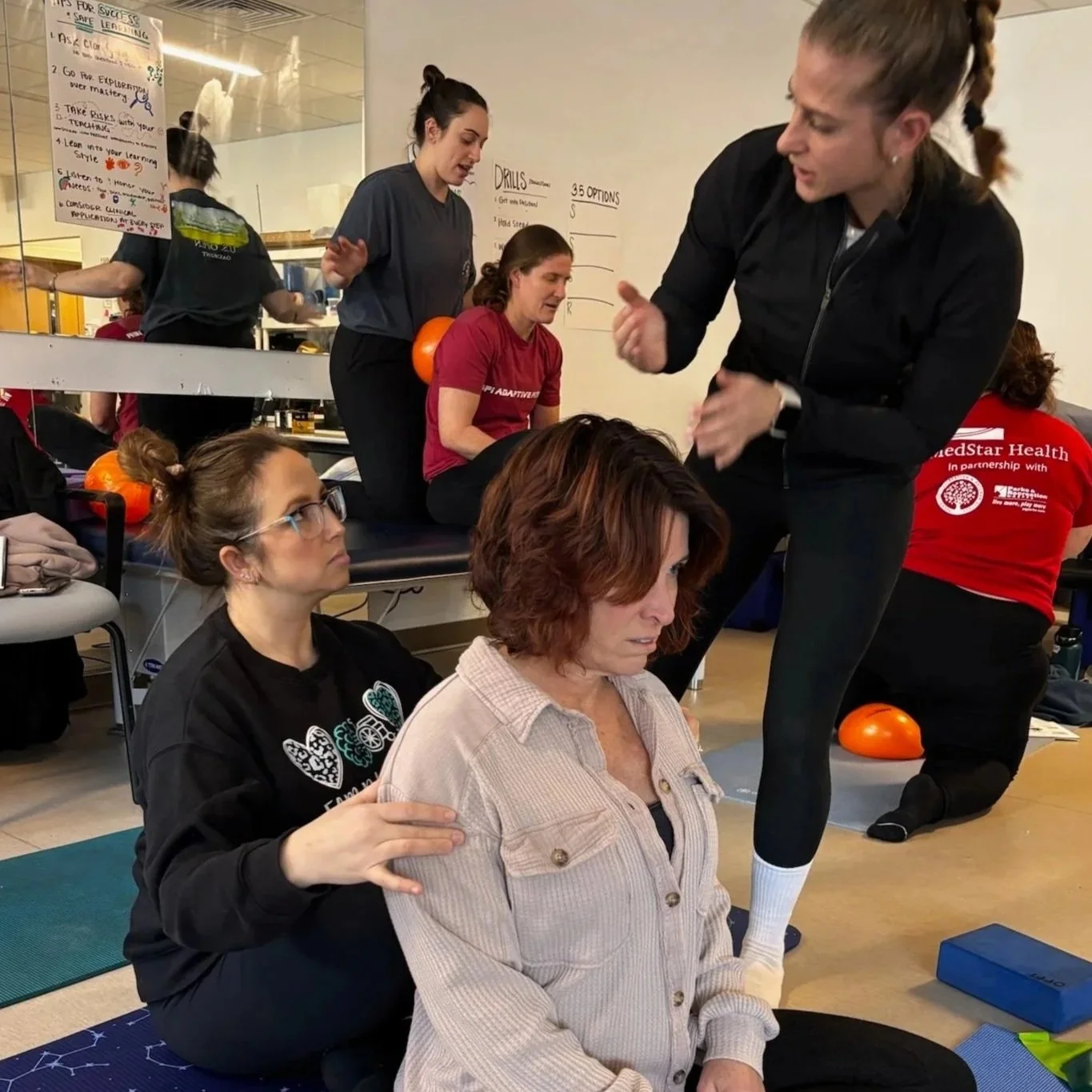
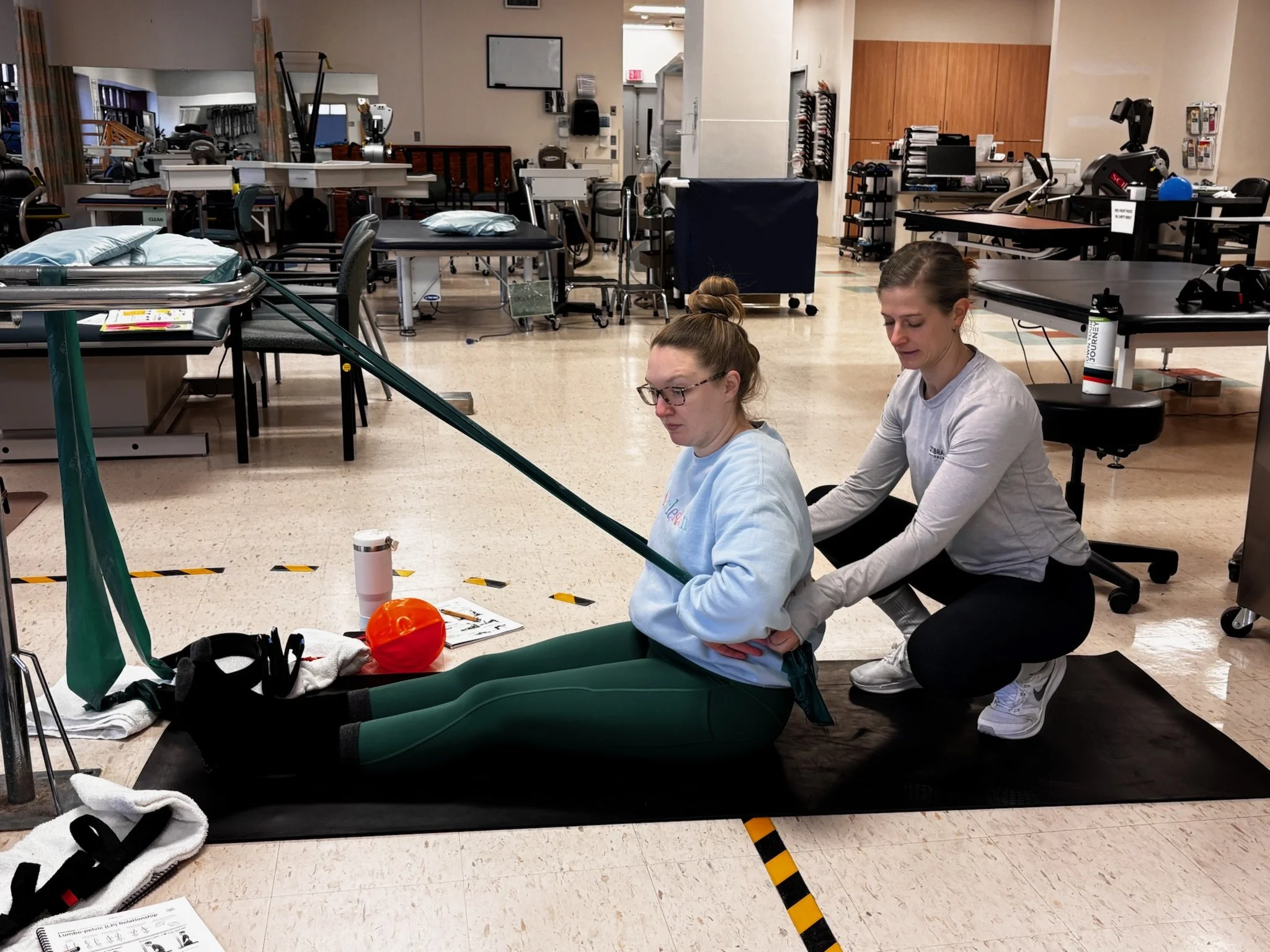
We got right back into MDP programming with handling skills to support cervical SCI clients in learning their ADLs and had plenty of practice with in partner labs.
We also invested quality time in clarifying shoulder mechanics - because dynamic control of the shoulder complex is critical for all levels of SCI in order to optimize transfers, bed mobility, wheelchair pushing and using walking mobility aids.
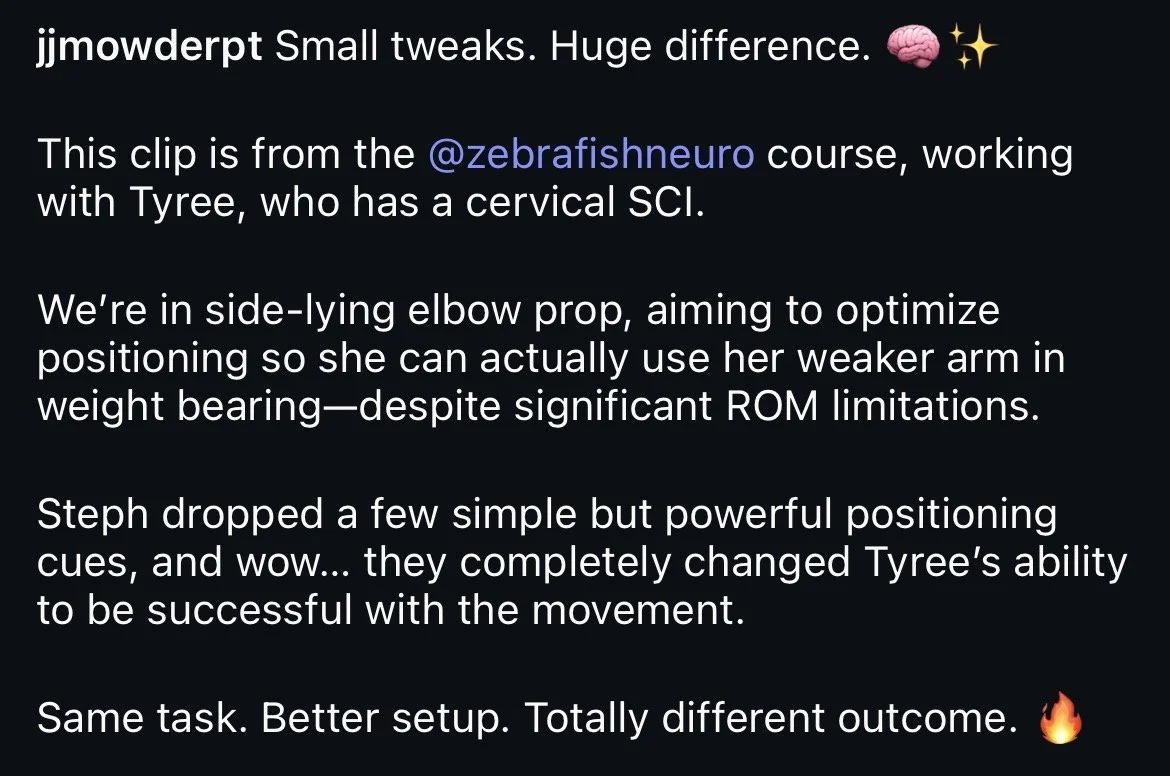
Course participant, JJ Mowder shared a few clips on serratus activation here.
Day 3:
Pilates precision in the Framework
As we integrate more of the body into the exercises, we continue to ask for quality and precision - two emphasized principles in the Pilates method.
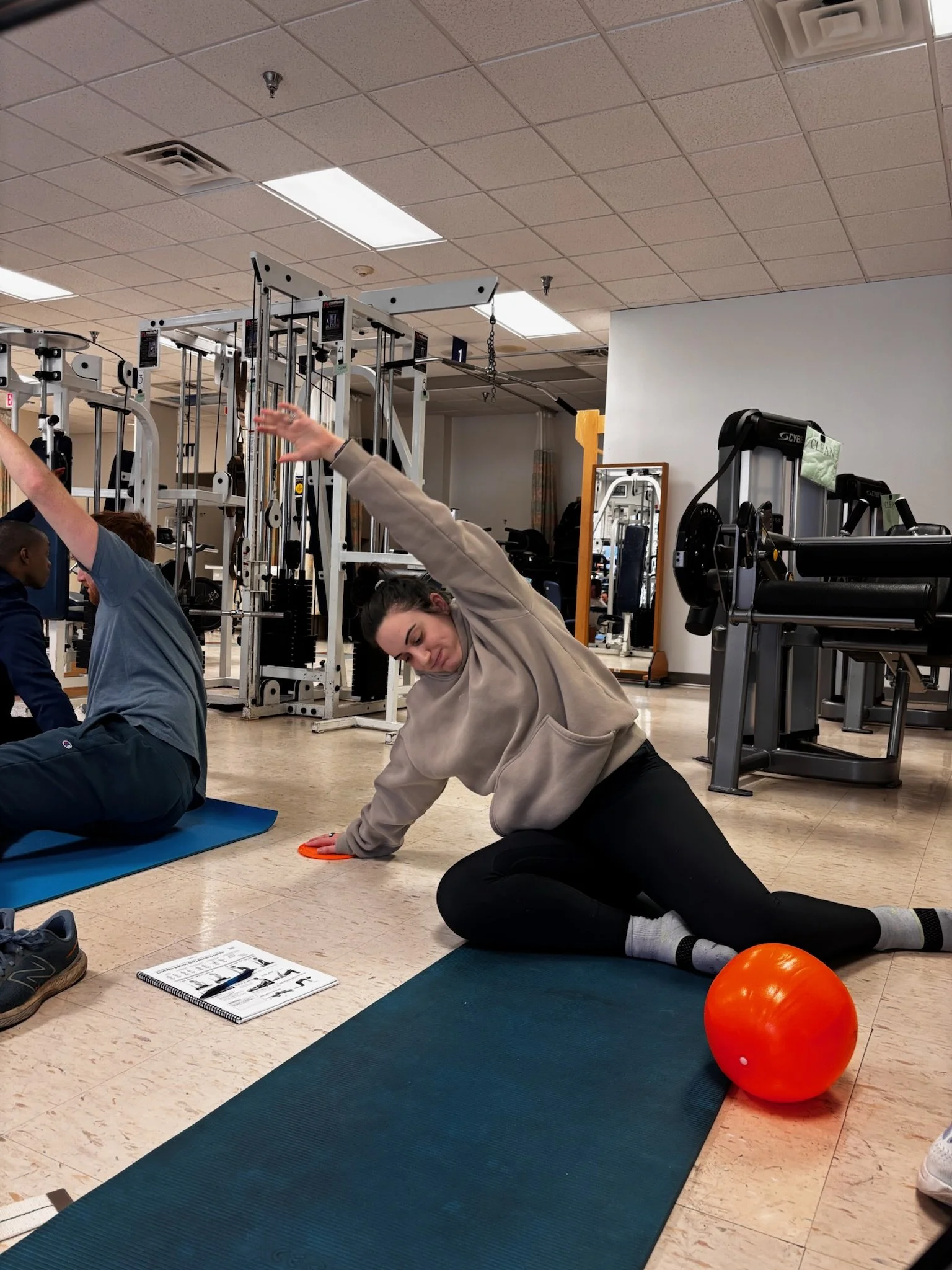
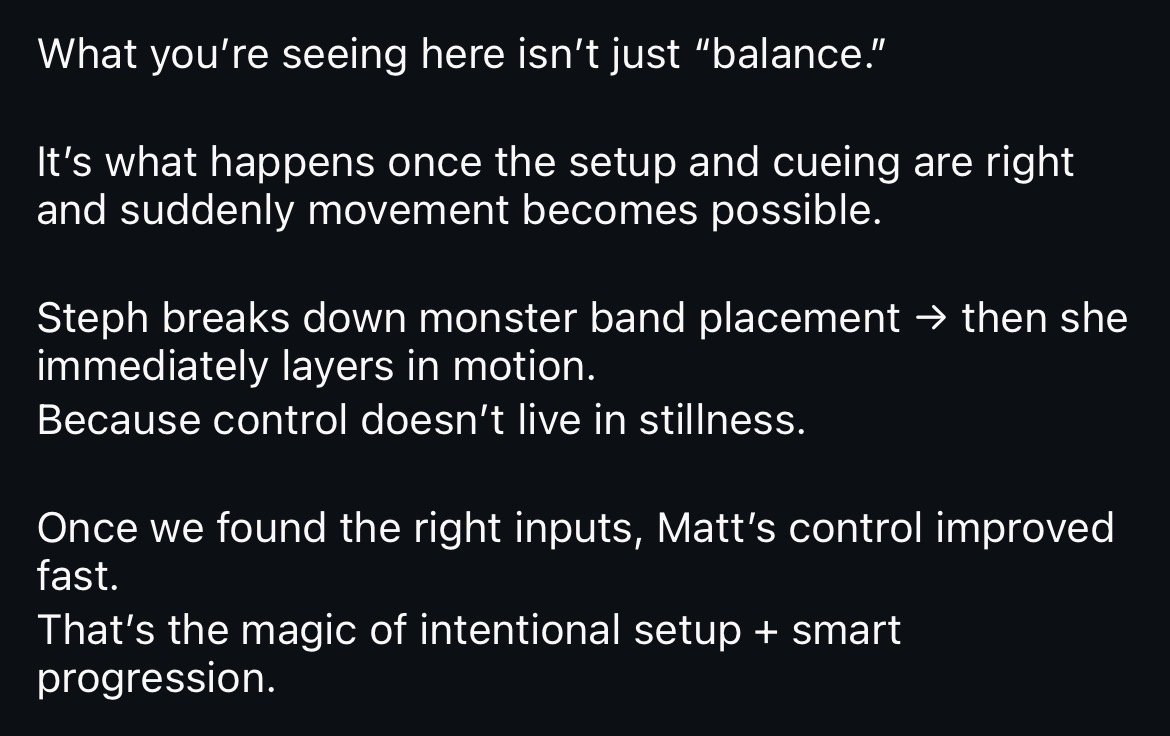
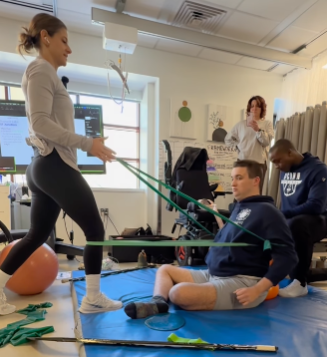
The group had a lengthy Pilates experience (hello, core!) and play with how simple props like bands, balls and sliders can provide dynamic and kinesthetic cueing for reflexive stabilization.
Day 2 & 3
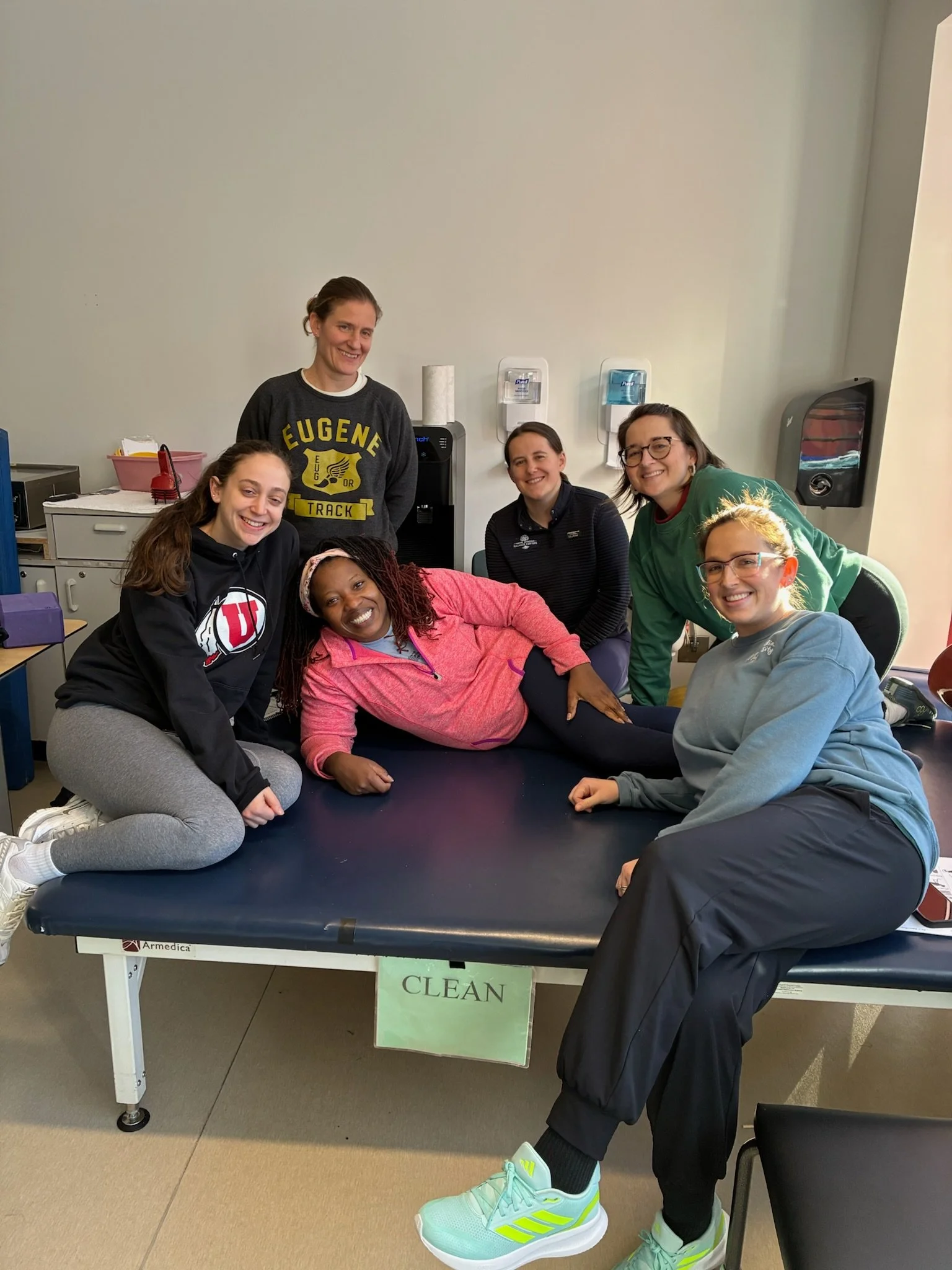
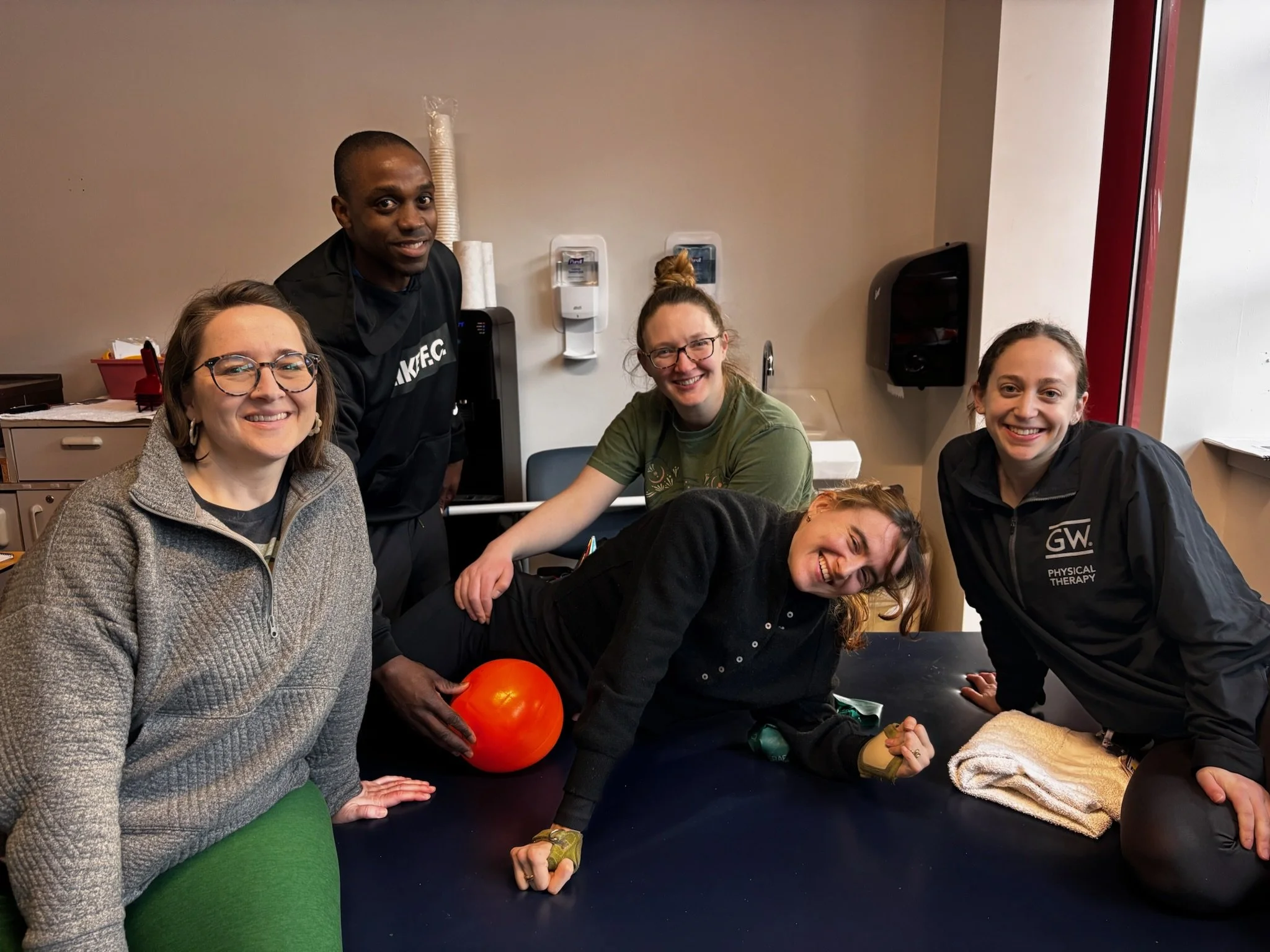
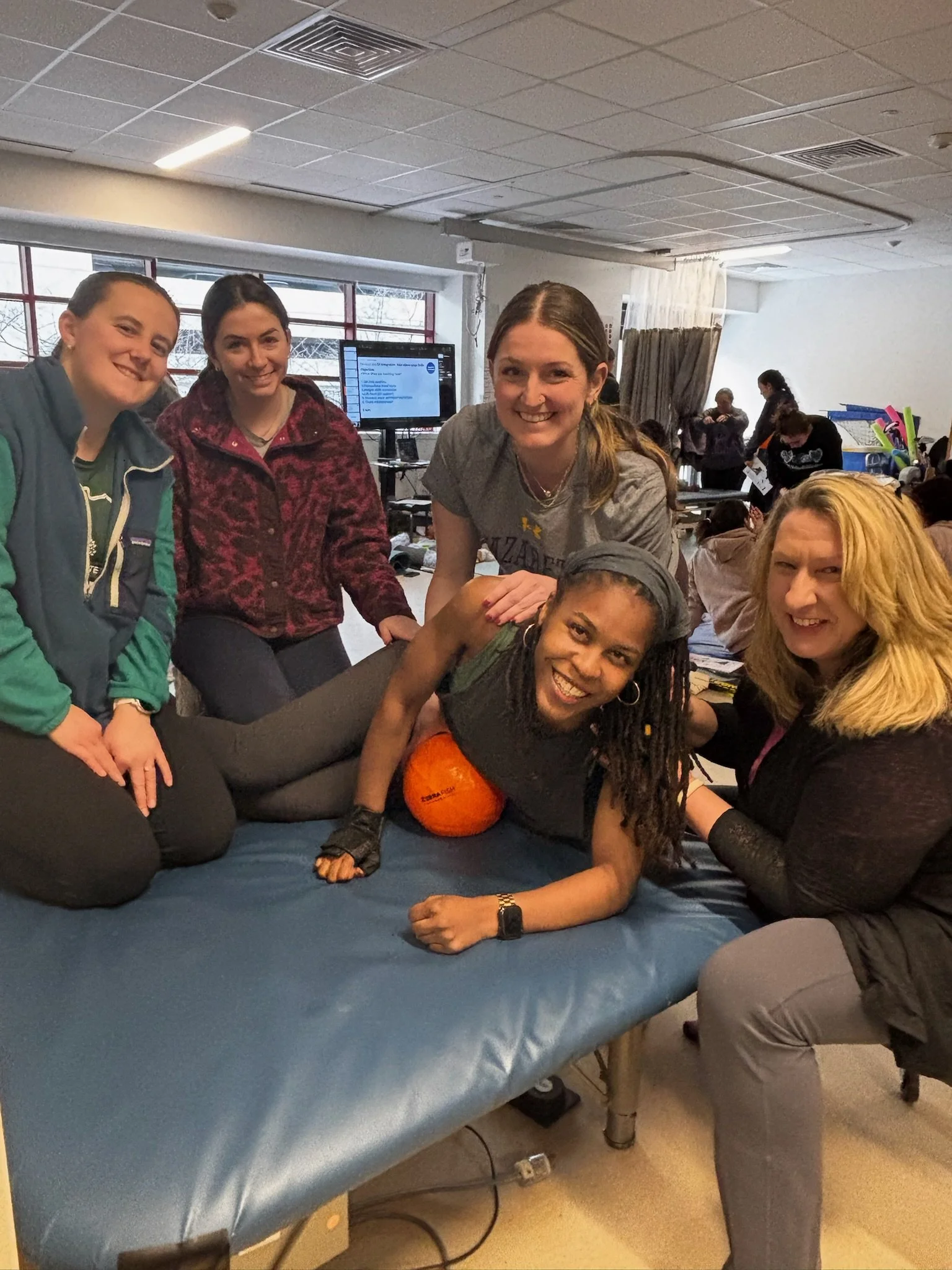
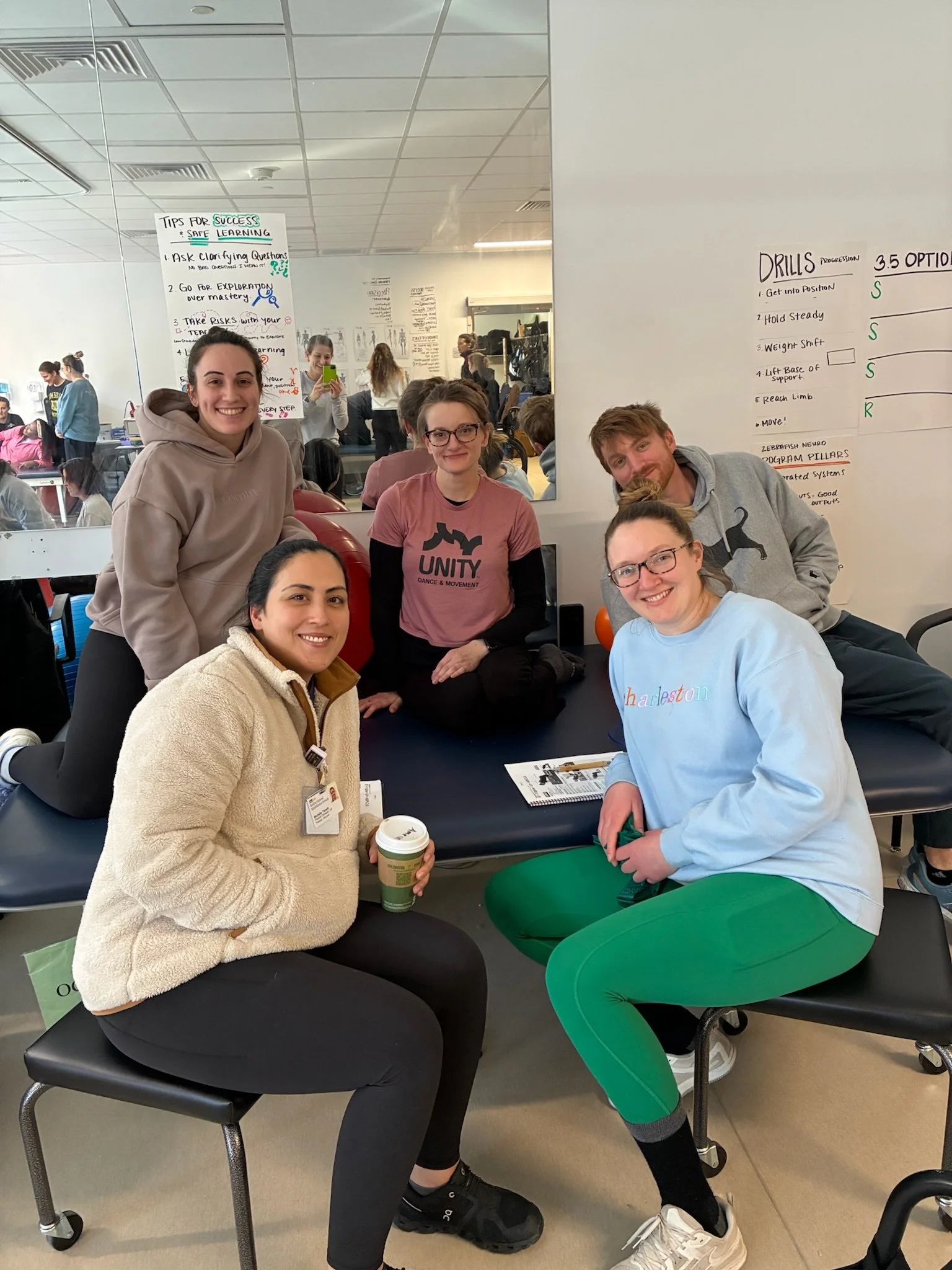
Hands-on Labs with demo clients
We had almost 8 hours of the course working 3:1 lab groups, hands on with demo clients (who were absolute 🔥).
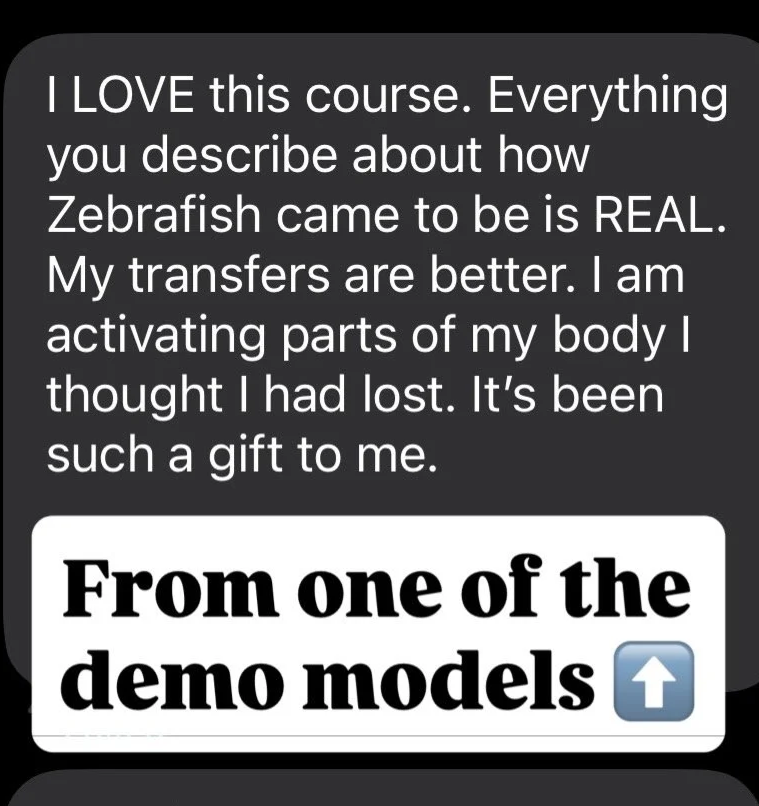
It’s these hands on lab modules that bring the curriculum to life, and clinicians get to see, feel and hear the testimony of how the fascial lines make a big difference in how they connect and move their body.
Participant Key Take-aways
This group really felt and witnessed theimpressive power of fascial lines - creating tension through fascial access portals so SCI athletes can better stabilize and move their bodies, even in areas well below injury line!
A few other lightbulbs moments were:
💡 The incredible value of establishing a strong shoulder complex - no matter what kind of client. This foundation is essential for fascial line connectivity.
💡 How to provide a small tactile nudge in the perfect spot for a global change in posture (we named these contractile buttons until I get a better name!)
💡 If a position or exercise is currently too challenging, consider how to create the same shape with a different orientation to gravity... or how the same shape shows up multiple times through the motor development progression.
💡 Creative problem solving for clients with clinical limitations and contraindications like osteoporosis, cervical collars, trunk braces and lax shoulders.
My final thoughts
It always takes me about a week to settle back into my body and rhythm after a course like this. The energy, the travel, the [intense] preparation… these events take it all out of me.
But it’s all so worth it.
These clincians are already sharing messages with me about their immediate application and [not-to-me] surprising quick wins, especially using their squish ball :)
And to re-share my personal mission on creating a collaborative professional culture:
Zebrafish Neuro exists to quietly shift the culture of neuro rehabilitation toward greater collaboration, mutual respect, and shared learning—so clinicians, coaches, and practitioners no longer have to work in isolation or competition to create meaningful change.
Thank you to all the clinicians who trusted me with their professional development (and ConEd budget!) with this course. You are truly in the top tier for passion, commitment and collaboration in the neuro rehab space.
Join us for the next event!

About the Author of this Article
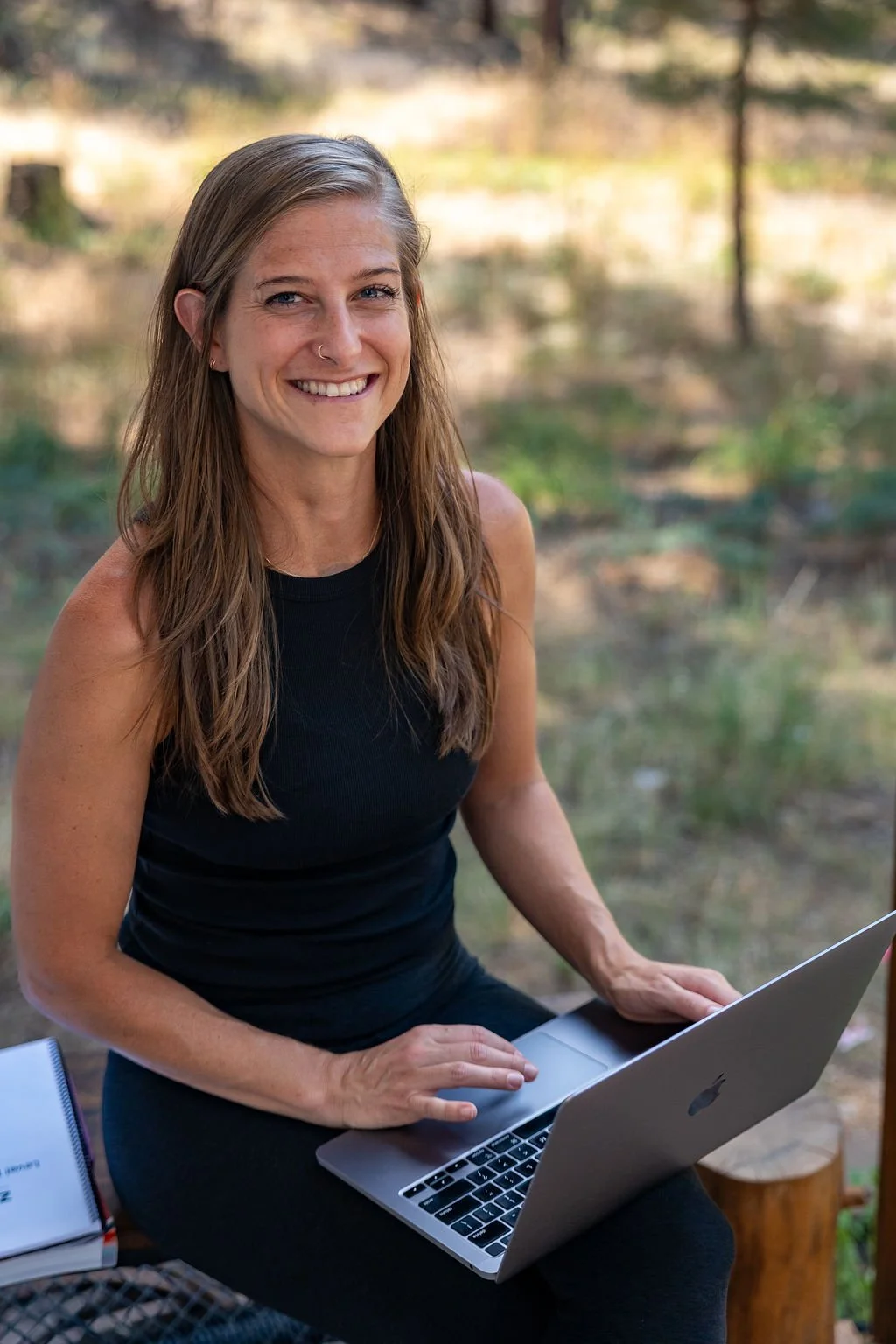
Stephanie Comella
co-founder of Zebrafish Neuro
B.S. Exercise Biology
Nationally Certified Pilates Teacher (NCPT) - specializing in Spinal Cord Injury
Stephanie Comella has been working with individuals with spinal cord injuries since 2011. She blends her formal education in movement science, Pilates, and other mindful movement modalities with neurological science to provide an intuitive, hands-on style of teaching focused on body re-connection. Stephanie aims to empower both individuals with SCI and their trainers using a human-powered healing approach.
You can read her full bio here.
